
Senville DIY Dual Zone Mini Split: Everything You Need to Know Before You Buy
A senville diy dual zone mini split pairs one outdoor unit with two indoor heads.
- Written by
- A working HVAC tech
- Updated
Instant Overview: What a Senville DIY Dual Zone Mini Split Actually Is
A Senville DIY dual zone mini split is a ductless heat pump system that connects one outdoor condenser to two indoor air handlers, letting you heat and cool two separate rooms from a single unit. Homeowners frequently search for a "DIY" version of this setup hoping to save on labor cost, but the reality of installing a Senville system is more nuanced than the marketing suggests.
Most Senville dual zone systems-such as the SENA-18HF/D, SENA-24HF/D, and SENA-30HF/D-are sold directly to consumers through online retailers like Amazon and Best Buy. While you can certainly purchase the equipment yourself, these are not truly tool-free DIY systems. You will need a vacuum pump, manifold gauges, flare tools and proper refrigerant handling knowledge to complete the install.
In concrete terms, "dual zone" means the outdoor condenser (typically 18,000–36,000 BTU) feeds two indoor wall-mounted heads. Common pairings include 9K+9K, 9K+12K, or 12K+12K configurations, covering roughly 200–550 square feet per zone depending on insulation and climate.
-
Best for experienced DIYers who already own or can rent HVAC tools and are comfortable with copper flaring, vacuum procedures, and electrical work
-
Good for homeowners with local HVAC help willing to handle the refrigerant side after the homeowner does the mounting and line routing
-
Budget-conscious buyers who prioritize lower upfront equipment cost over installation simplicity
-
Not a good fit for first-timers who want to knock out a weekend install without specialized training-if that's you, fully pre-charged quick-connect systems like Zone Air are designed from the ground up for homeowner installation without EPA 608 certification
The Primary Benefit in One Sentence
A Senville dual zone mini split delivers year-round heating and cooling for two separate rooms from one outdoor unit, cutting energy bills compared to window units or electric baseboards.
Senville systems can give you both cooling in summer and heat pump heating through colder months. On certain models, Senville mini splits can operate efficiently down to −22°F/−30°C, though most standard dual zone condensers are tested at around 5°F. For people who live in areas where winter temperatures routinely drop well below zero, brands like Zone Air offer heating performance down to −13°F, making them a stronger fit for communities in cold climates.
Why You'll Love a Dual Zone Mini Split Setup
Zoned heating and cooling changes how you experience comfort at home. Instead of one thermostat dictating the temperature for every room, a dual zone system lets each space operate on its own schedule and set point-so the rooms you actually use get the attention they deserve.
-
Independent comfort in two rooms. Each indoor air handler can have its own temperature setting. You can keep your home office at 72°F for focused work while the bedroom stays at 68°F for better sleep, and it all runs off one outdoor unit.
-
Lower energy bills vs central HVAC. No ductwork is required for Senville dual-zone mini split systems, and that eliminates the 20–30% energy losses that are typical of ducted setups. With inverter technology, you can get up to 75% energy efficiency gains over conventional electric resistance heating, since it reduces energy usage a lot by adjusting compressor speed rather than cycling on and off. Senville dual zone units have SEER2 ratings in the 20–22.5 range, though there are options out there that are even more efficient. At 230V, Zone Air can reach up to 24 SEER2.
-
Whisper-quiet operation. Senville models generally run quieter than conventional HVAC systems. The indoor heads go as low as 26–27 dB on low fan speed, which is quieter than a library. That makes them a good pick for bedrooms and home offices where noise matters.
-
Year-round comfort – Senville systems provide heating and cooling year-round. Cool in July, heat in October, and reduce how long your furnace or boiler needs to run during shoulder seasons.
-
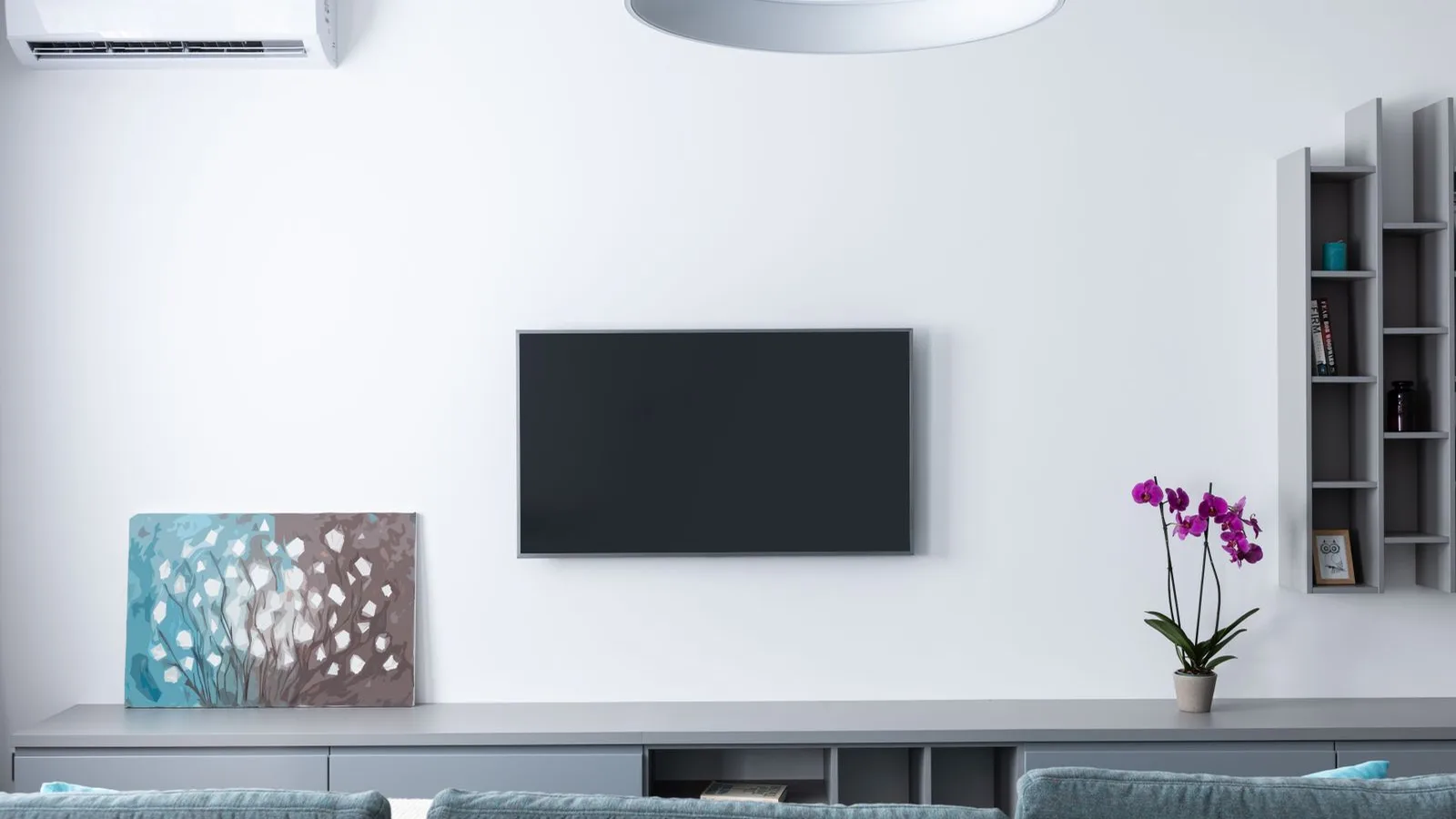
Cleaner look than window units. There are no bulky boxes hanging out of windows. A slim indoor head goes high on the wall. The outdoor condenser sits on a pad or wall bracket outside. Senville systems usually include a USB Wi-Fi kit for smart connectivity, so you can control it remotely via WiFi, and it supports voice control through Alexa-enabled devices.
-
Better air quality. Each indoor unit has reusable filters that trap dust, allergens and particles. Cleaning them takes a few minutes, so it is a lot less hassle than maintaining window air conditioners or central duct systems.
-
Energy savings by conditioning only what you use – Senville dual-zone systems can save energy by conditioning only occupied rooms, so you stop paying to heat or cool places nobody is sitting in.
What Makes Senville Dual Zone Systems Different (and Where They Fall Short for DIY)
Senville positions its dual zone systems as affordable, feature-rich multi-zone options sold online. They've built a following among cost-conscious homeowners and in DIY communities who want to avoid the markup of a full contractor install. The feature set is competitive, and the upfront numbers look appealing. But the "DIY" label deserves closer examination.
-
Attractive upfront price point – Common Senville dual zone kits like the SENA-18HF/D are often hundreds of dollars less than comparable pre-charged DIY brands. That lower purchase price, however, doesn't account for the specialized tools needed-vacuum pump, gauges, and flare kit all add real cost to rent or buy.
-
Wide capacity range – Senville offers dual zone condensers from roughly 18,000 to 36,000 BTU. The system provides 36,000 BTUs of cooling and heating capacity at the top end, covering small homes, additions, or two-story layouts with flexibility in how you pair indoor heads.
-
Cold climate capable, but not extreme Senville mini split systems operate efficiently at −22°F/−30°C on certain cold-climate single-zone models. However, most standard dual zone condensers are rated to around 5°F, with capacity dropping to about 60–65% of rated output at that temperature. What about places that get colder than that? Cold-climate DIY lines such as Zone Air maintain heating down to −13°F, so they're a better fit for northern states and Canadian border regions.
-
Traditional flare connections Senville line sets need flare joints that are made up in the field. You need to do field evacuation with a vacuum pump. This is a completely different experience from fully sealed quick-connect systems like Zone Air, where the refrigerant stays factory-sealed and the install needs no vacuum pump, no gauge set, and no EPA 608 certification.
-
Warranty tied to "proper" installation - Senville is not a true plug-and-play DIY system. Professional installation is recommended to maintain warranty. Senville's published warranty terms expect key steps-pressure testing, evacuation and service valve opening-to be performed by a licensed HVAC professional. Zone Air explicitly allows DIY without voiding its 5-year parts and 7-year compressor coverage.
-
Good feature set vs premium DIY brands - Senville includes remote controls, timer functions and Wi-Fi on many models.
How a Senville DIY Dual Zone Mini Split Operates
At its core, a Senville dual zone mini split is a heat pump. One outdoor condenser has refrigerant lines that go to two indoor air handlers. It moves heat in or out of your home through those lines. Here's how it's going to work in everyday terms.
Step 1 - Outdoor Unit Conditions the Refrigerant
The Senville condenser sits outside your home, compressing and conditioning refrigerant. In cooling mode, it rejects heat from inside to the outdoors. In heating mode, it extracts heat from outdoor air-even in cold weather-and moves it indoors. Dual zone condensers use inverter technology to modulate output, matching the combined demand of both rooms rather than running at a fixed speed. This variable-speed operation is what gives mini splits their efficiency advantage.
Step 2 - Refrigerant Travels Through Line Sets to Each Indoor Head
Two sets of copper lines (liquid and suction), along with a control cable and drain line, run from the outdoor unit to each wall-mounted indoor head. With Senville, these line sets ship in one long piece and must be measured, cut, flared, run through a 3-inch core hole, and evacuated before the system can operate. Brands like Zone Air take a different approach: they custom-cut each pre-charged quick-connect line set to the exact length needed-anywhere from 5 to 75 ft in one continuous factory-sealed run-so homeowners skip flaring and vacuuming completely.
Step 3 - Indoor Units Deliver Comfort to Each Zone
Each indoor head has its own fan, its own temperature sensor and its own wireless remote. You can adjust your comfort in one room independently of the other zone. The system is monitoring both zones at the same time, sending more capacity to whichever room needs it. This keeps temperatures stable, reduces cycling and prevents the energy waste of heating or cooling areas that no one is using.
What "DIY" Really Looks Like with a Senville Dual Zone
If you are wondering what a Senville dual zone install actually takes, here is the honest breakdown. You can do big parts of the work yourself, but this is more "pro-grade DIY" than a weekend plug-and-play job. You'll need real tools, real time and if you want to keep your warranty, a licensed technician for the critical steps.
-
Planning loads and locations Figure out the BTU size for each zone. A 12K head works for a living room that is 400 to 550 sq ft, and a 9K head works for a bedroom that is 200 to 350 sq ft. Choose a spot on the wall that is clear of studs, that is clear of obstructions. That keeps direct sunlight off of indoor heads.
-
Mounting indoor brackets and drilling 3″ core holes – This takes different tools depending on whether you're going through wood framing or masonry. The hole must slope slightly downward toward the outside for condensate drainage. A long hole saw or core drill is needed.
-
Installing the outdoor condenser - Pour or set a concrete pad, or use wall brackets where ground placement isn't practical. Follow Senville's specified clearances for airflow-typically 12 inches at the rear and 24 inches in front of the unit for proper heat exchange.
-
Running and flaring refrigerant lines - Cut copper line sets to length, deburr and form flare connections using a proper flare tool. Torque flare nuts to spec with a torque wrench-over- or under-tightening causes leaks. Insulate all suction lines. Senville's standard 18,000 BTU dual zone is pre-charged for up to 75 ft of total line-set length. If your runs exceed that, a licensed technician must add refrigerant charge.
-
Pulling a deep vacuum and leak-testing - Using a vacuum pump and micron gauge, evacuate the line sets to around 500 microns and hold the vacuum to confirm no leaks exist. This step is essential-and it's the step that Senville requires be done by a licensed HVAC professional to protect your warranty.
-
Connecting electrical safely - Install a dedicated 208–230V circuit from your electrical panel with a line-side disconnect. This work must follow local code, and many people hire a licensed electrician for this piece. Some areas require an electrical permit.
-
Final commissioning – Open the condenser's service valves to release the refrigerant charge into the lines, confirm operating pressures, run both zones in cooling and heating modes, and verify that condensate drains properly.
Contrast this with pre-charged quick-connect systems like Zone Air, which skip the vacuum pump, gauges and flaring entirely. Zone Air's sealed refrigerant circuit never opens to the atmosphere, so most places treat it as an electrical-only permit (check locally). That difference in experience is significant-especially for a first-time installer.
Key Product Details: Typical Senville Dual Zone Mini Split Specs
Exact specs change by model (SENA-18HF/D, SENA-24HF/D, SENA-30HF/D, and so on), but here's about what a current Senville dual zone system looks like:
-
System type: This is an inverter-driven, ductless heat pump with one outdoor condenser and two wall-mounted indoor air handlers
-
Capacity options: You can get 18,000 BTU (using 9K+9K or 9K+12K), 24,000 BTU (12K+12K), or up to 36,000 BTU for larger homes. The system has 36,000 BTUs of cooling and heating capacity at the top end. The typical coverage for each indoor unit is 200–550 sq ft, depending on how well the space is insulated.
-
Efficiency ratings: Senville mini splits do well on SEER-representative dual zone models hit about 20–22.5 SEER2. Premium DIY systems like Zone Air get up to 24 SEER2 at 230V and 23 SEER2 at 115V.
-
Power requirements: 208/230V, 1-phase, with a dedicated 2-pole breaker usually sized at 20–30A for multi-zone condensers. True DIY-oriented brands like Zone Air also offer plug-in 115V options for smaller single-zone rooms that run on a dedicated 15A circuit.
-
Operating temperature range: Cooling usually goes up to around 115–122°F when the outdoor temperature is that high. Heating goes down to about 5°F for standard Senville dual zone models. Senville mini split systems operate efficiently at −22°F/−30°C on certain cold-climate single-zone versions. For comparison, Zone Air systems are rated to heat at −13°F and cool at outdoor temperatures up to 131°F.
-
Line set length: Senville kits usually include line sets that are a fixed length (often 16–25 ft each). If you need a longer run, you need extensions with brass fittings and you have to re-flare the ends. With Zone Air, they cut each pre-charged line set to your exact length. You can get 5 to 75 ft in one continuous run, with no field joints or couplers needed.
-
In the box: Outdoor condenser, two indoor air handlers, line sets, communication cables, wireless remotes, wall brackets/mounting plates, installation manual, and USB Wi-Fi kit for smart connectivity. A vacuum pump, gauge set, flare tools, and electrical materials are not included.
-
Warranty: Senville offers a 10-year warranty on all models. The warranty covers the compressor for 10 years, while other parts are covered by a 5-year warranty. Senville's North American Headquarters handles the warranty claims. However, self-install may mess up claims, as Senville's documentation looks for licensed professional installation. With Zone Air, you get 5-year parts and 7-year compressor coverage with no registration deadline, and installing it yourself does not void it.
Who a Senville Dual Zone Mini Split Is (and Isn't) For
The right system depends on your budget, climate, comfort goals and how comfortable you are with tools and local permitting requirements. Here's a plain breakdown.
Ideal For You If…
-
You are an experienced DIYer comfortable with cutting, flaring, and insulating copper refrigerant lines-or you have a friendly local HVAC tech willing to handle the refrigerant side after you mount the components and run lines.
-
You are upgrading two key areas-such as a combined living room/kitchen and main bedroom, or a small two-story layout that needs independent temperature control upstairs and downstairs.
-
Your climate rarely drops below 5°F in winter, so Senville's standard cold-weather rating covers most of your heating season without supplemental heat.
-
You prioritize lower upfront cost over the convenience of quick-connect pre-charged line sets, and you already own or can borrow a vacuum pump and gauge set.
You May Want to Reconsider If…
-
You have never worked with high-voltage electrical or refrigerant lines and are looking for an installation that feels closer to "mount it, connect the lines, and power on."
-
Your winters routinely hit 0°F or below and you need heating that's rated to −13°F-cold-climate DIY brands like Zone Air are a better fit for those areas.
-
You want to keep full warranty coverage while installing the system yourself and you don't want to need a third-party HVAC bill to keep that coverage whole.
-
You prefer a system that lets you add a second or third zone later on a spare port with a pre-charged line set (as Zone Air multi-zone condensers do) instead of locking yourself into a fixed dual zone setup from the start.
Comparing "DIY Friendliness": Senville vs True DIY Systems Like Zone Air
Many homeowners compare Senville dual zone kits with purpose-built DIY brands before making a final purchase. If you've emailed friends for advice or searched through online communities, you've likely seen both names come up. Here's a straightforward comparison focused on installation experience and long-term ownership.
-
Installation tools: Senville needs a vacuum pump, micron gauge, flare tools, and torque wrench-tooling that adds real cost to rent or buy. Zone Air uses pre-charged, factory-sealed quick-connect line sets that don't require a vacuum pump, micron gauge, or flare tools.
-
Line set design: Senville relies on flare connections with fixed lengths; if your run is long, you'll need extension line sets and brass unions, adding connection points where leaks can develop. Zone Air cuts each pre-charged line set to your exact length (5–75 ft) in one continuous factory-sealed run, so most installs need zero extensions or couplers.
-
DIY legality and permit type: Senville installation involves opening the refrigeration circuit, which in many jurisdictions requires EPA 608–certified technicians. Zone Air's sealed system usually falls under electrical-only permitting in most places (always verify locally).
-
Climate performance: Senville's standard dual zone models are rated for heating down to 5°F. Zone Air is rated to −13°F for heating and up to 131°F for cooling-important numbers if you live in very hot or very cold regions.
-
Efficiency and operating cost: Senville multi-zone systems typically land around 20–22.5 SEER2. Zone Air reaches up to 24 SEER2 (230V) and 23 SEER2 (115V). Over years of operation, that efficiency gap translates into meaningful utility bill savings-a wealth of long-term value that's easy to overlook when comparing sticker prices.
-
Warranty stance toward DIY: Senville's paperwork calls for professional installation and may treat DIY installs as non-compliant for warranty claims. With 5-year parts and 7-year compressor coverage, Zone Air supports self-install and doesn't require a licensed installer. Zone Air sells and sends every system direct, so the sale, warranty, parts and support all go through one company with live technical support.
-
Flexibility for future zones: Senville dual zone condensers are sold as complete fixed kits. Zone Air multi-zone units can start with a single indoor head and add more later on a spare port with a pre-charged line set-no vacuum pump needed. Zone Air also lets you mix indoor styles (wall-mount, ceiling cassette, concealed ducted) on the same condenser.
Step-By-Step Planning Checklist Before You Buy
Before you order any dual zone system-Senville or otherwise-follow these steps to make sure you're set up for a smooth project.
-
Confirm room sizes and insulation quality. Measure the square footage of each zone, note how well it's insulated and what kind of window exposure it gets, then match BTU sizes accordingly: 9K for well-insulated 200–350 sq ft rooms, 12K for 350–550 sq ft, 18K for larger open spaces.
-
Map indoor and outdoor unit locations – Sketch where the two indoor heads and outdoor condenser will sit, including line-set paths, wall penetrations, obstructions, and drain routing. Shorter, more direct runs mean fewer connection points and easier work.
-
Check your electrical panel. Confirm you have space for a new 2-pole breaker (for 230V systems). If panel space is limited or you'd prefer simpler electrical, look at whether a 115V plug-in single-zone system from a brand like Zone Air might serve your needs with fewer changes.
-
Price out required tools – If leaning toward Senville, list the cost to rent or buy a vacuum pump, micron gauge, manifold set, flare kit, and torque wrench. Add up those numbers and compare the combined total project cost with a true DIY quick-connect system where none of those tools are needed.
-
Review local codes and permits - Call or check your city/county website to confirm whether homeowner installation of ductless heat pumps is allowed and what permits are needed. Refrigerant handling is regulated in many places.
-
Decide your comfort level – Honestly assess whether you want to invest the time learning pro-style HVAC tasks or prefer something closer to "mount the equipment, connect quick-connect lines, and power on." Your answer should drive your brand choice.
Ready to Choose Your Dual Zone Mini Split?
Senville dual zone mini splits can be a great fit for tool-savvy DIYers or homeowners who have local HVAC help lined up for the refrigerant work. The upfront cost is competitive, the feature set is solid, and the systems continue to perform well in moderate climates.
If you want maximum DIY-friendliness, top-tier efficiency, clear warranty support for self-install, and confidence in cold or hot extremes, a true DIY platform like Zone Air deserves serious consideration-especially if you live in areas with harsh winters, plan to expand zones in the future, or simply don't want to invest in specialized HVAC tools you may never use again.
Before you order, make a side-by-side comparison: list the Senville and Zone Air specs, total up every install cost (tools, permits, potential technician fees), and compare warranty terms. That exercise takes an hour and can save you hundreds-or spare you a headache that lasts for years.
Frequently Asked Questions About Senville DIY Dual Zone Mini Splits
Can I Install a Senville Dual Zone Mini Split Myself?
Laws vary by state and municipality. Some areas allow homeowner installs if permits are pulled, while others require EPA 608–certified technicians for any work that involves opening a refrigeration circuit. Because Senville systems use traditional flare and vacuum methods, they are more likely to fall under regulated HVAC work than fully sealed quick-connect systems. Always check local requirements before you begin.
Will DIY installation void the Senville warranty?
Senville's published stance is that installations are expected to be performed by licensed professionals. If you handle critical steps like evacuation and service valve opening yourself without a licensed tech, warranty claims may be complicated or denied. Warranty claims are processed by Senville's North American Headquarters, and they may request proof of professional installation. DIY-first brands like Zone Air explicitly preserve warranty coverage for homeowner installations when instructions are followed.
How Long Does a Dual Zone Installation Take?
For an experienced DIYer who has the right tools, a Senville dual zone install usually takes 1–2 full days, including the time to pull a vacuum and do the electrical work. Complex wall penetrations, long line runs or outdoor mounting that is challenging can push the timeline out further. With a quick-connect system like Zone Air, a single-zone wall unit takes two people about 4–6 hours the first time, so a dual zone often fits in a single long day when electrical is pre-run or done by an electrician in parallel, since the refrigerant steps that consume the most time and stress are eliminated.
What size Senville dual zone system do I need?
A simple rule of thumb: 9K BTU for a well-insulated 200–350 sq ft room, 12K for 350–550 sq ft, and 18K for larger open spaces. Multi-zone sizing should consider both individual room loads and the combined total. If you live in a very hot or very cold climate, size more carefully-manufacturer calculators and the support team of your chosen brand can help you get the numbers right.
Are dual zone systems more efficient than running two single-zone units?
Multi-zone condensers can be very efficient, but they may lose some efficiency at partial load when only one zone is calling for heating or cooling. In some layouts, two high-efficiency single-zone systems can perform similarly or even better. The support teams at Zone Air and other DIY-focused manufacturers can help you weigh single-zone vs multi-zone setups based on usage patterns and budget, so it's worth reaching out before you commit.
How do Senville dual zone systems compare to Zone Air for a first-time DIYer?
Senville offers solid multi-zone performance at a competitive price point but wants pro-style installation with specialized tools and may not fully support DIY under warranty. Zone Air is designed from the start for homeowners: pre-charged custom-length line sets, no vacuum pump or gauges needed, cold-climate performance to −13°F, up to 24 SEER2 efficiency, mix-and-match indoor styles and a warranty that stays valid when you install it yourself. Across customer reviews, Zone Air systems also average 4.8/5, with people often bringing up helpful support during installs. If this is your first mini split project, Zone Air removes most of the barriers that make Senville a challenging first experience.