
Mini Split Installation Cost DIY: What You Can Really Save (And Where You Shouldn't Cut Corners)
I install ductless mini splits across the Madison, Wisconsin area, and every week someone asks me the same thing: how much can I really save doing this myself?
- Written by
- A working HVAC tech
- Updated
Here's what I tell them.
Key Takeaways
-
In 2026, a single-zone mini split that works for DIY usually costs $1,000 to $3,500 for the equipment and materials. For a full install, a contractor would charge you $2,000 to $6,000.
-
Most homeowners in Madison still need a licensed electrician for the 240V circuit and an HVAC tech for evacuation and starting the system up to keep warranties valid.
-
Electrical upgrades, permits and meeting code can add $500 to $2,000 or more to a "DIY" budget if your panel is full or your wiring is old.
-
Energy efficiency and long-term reliability depend on correct system size, line-set work and proper evacuation - steps that are easy to get wrong without pro tools and experience.
What Does a DIY Mini Split Install Cost in 2026?
On my jobs in Dane County, mini split systems cost $2,000 to $18,000 installed depending on how many zones you need, which brand you pick and what electrical work is needed. Running $2,000 to $6,000 installed, a single-zone system is the smaller option, while a multi-zone system runs $5,000 to $18,000 installed. You can save on labor costs with a DIY mini-split air conditioning system, which usually range from $1,000 to $3,500 for professional installation. The cost of a mini split per room runs $2,000 to $7,000 per zone installed.
True DIY systems come with pre-charged line sets, so you can install them without needing specialized HVAC certification. But in practice, most people who contact me end up in the "hybrid DIY" lane because of permits, electrical safety and the warranty language from brands like Senville and Mitsubishi. Here's how the three approaches compare:
-
Full DIY - You handle everything including refrigerant work. This is the lowest cost, but it carries the highest risk of canceled warranties and code violations.
-
Hybrid DIY - You mount the equipment and drill the penetrations. A tech handles the electrical, evacuation and start. This is the best balance of savings and safety.
-
Full pro install - A company is handling the entire project for you. This has the highest labor cost but is the simplest path to warranty coverage and code compliance.
Parts, Tools and Pro Help Costs
Here's the breakdown I walk homeowners through:
Equipment - Entry-level DIY kits (MRCOOL, Pioneer) cost $700–$1,500. Mid-tier (Daikin, Fujitsu, LG): $1,200–$2,500. Premium cold-climate units (Mitsubishi, Panasonic): $2,000–$4,000+.
Materials DIYers underestimate:
-
Wall brackets or concrete pad ($50–$300)
-
Line-set covers, a condensate pump, vibration pads and surge protection
-
Proper flare nuts and a torque wrench so the connections you make don't leak
The length of the line set and where you put the outdoor unit can affect the cost of installation and how complex the job is a lot. DIY mini-splits use pre-charged quick-connect lines to make installation simpler, and pre-charged kits cut down on the need for specialized tools. But if your run is longer than the factory length, you'll need a licensed tech.
Tools - You need a vacuum pump, a micron gauge, a manifold set, a flaring tool and a hole saw. Buying all of this will run you $400–$1,000. Renting helps, but most people will only use these once.
Electrical - Most mini splits need a dedicated circuit that is 220V or 115V. Adding a 240V circuit, an outdoor disconnect and a breaker usually costs $500 to $2,000 or more and usually needs a licensed electrician in Madison.
Permits - Installation permits are $100 to $400 added to project costs. Madison is charging $25 per new or replacement AC unit, $25–$75 for replacement heating equipment by BTU tier, and $11 per $1,000 of estimated cost for HVAC changes.
Pro visit - Budget a few hundred dollars for an HVAC tech to pull a deep vacuum, pressure-test and verify charge. This protects energy efficiency and makes inspectors happy.
DIY Tasks and What to Skip
I regularly split tasks with handy homeowners around Madison. Here's how I draw the line:
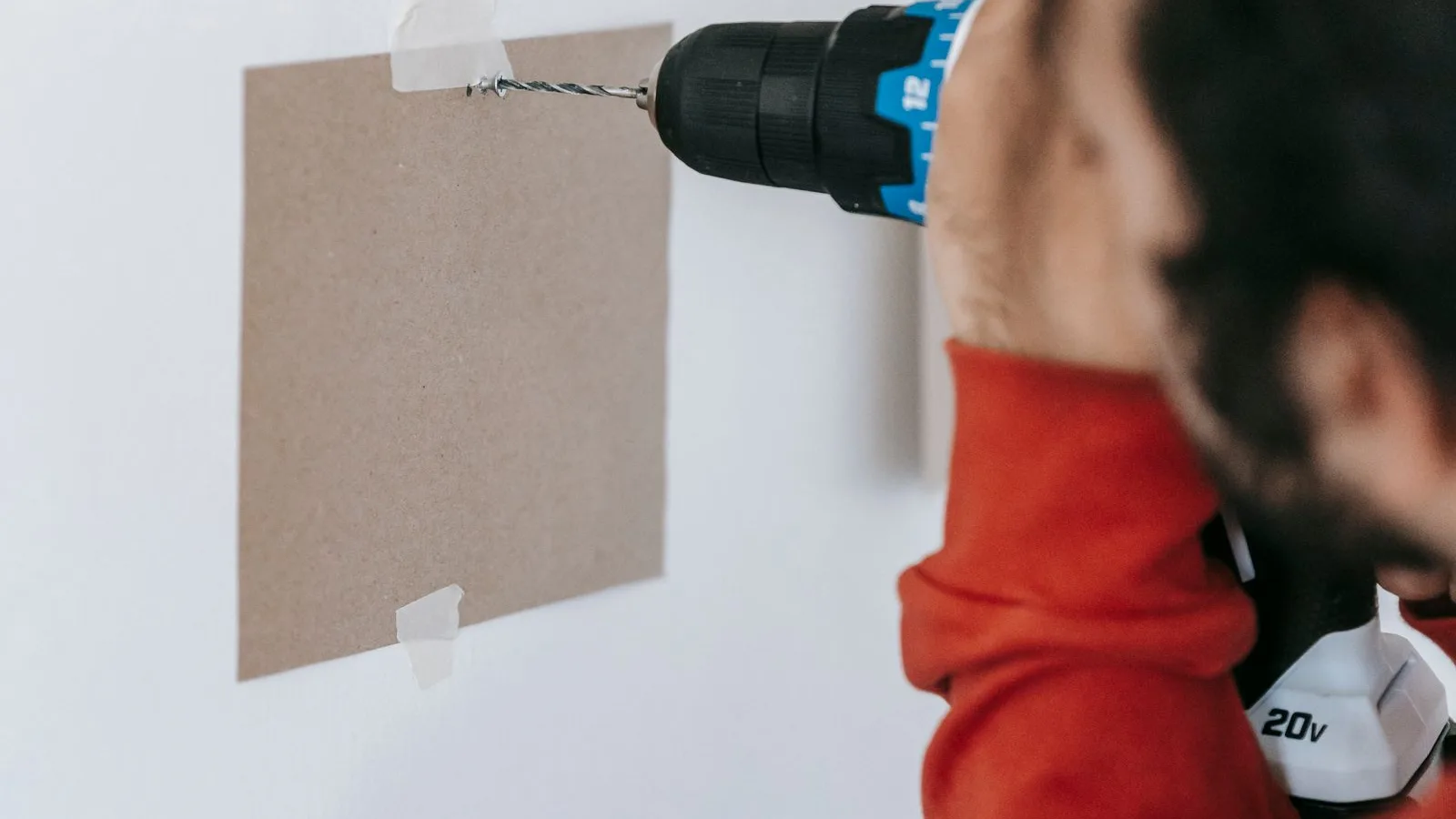
Homeowner-friendly tasks: Planning indoor unit location, drilling the 3-inch line-set hole, mounting the indoor head on a template, setting the outdoor unit on a pad, installing line-set covers and condensate drains, and shopping for the right equipment.
Risky without experience: Making and tightening flares to spec torque, running refrigerant lines without kinks, routing condensate to avoid backflow and freezing in climate zone 5A.
Leave to licensed pros: Electrical panel work, new 240V circuits, pressure testing with nitrogen, evacuation to below 500 microns, and opening refrigerant service valves. The EPA requires certification for technicians performing refrigerant work, and regulations forbid the DIY handling of refrigerants unless proper certifications are held. Local building codes often dictate installation requirements that must be followed.
Senville's warranty needs a licensed HVAC professional to perform pressure testing and evacuation - DIY installation voids their coverage. Mitsubishi's base warranty is 5 years parts from a licensed contractor install. 12 years parts and compressor needs a Diamond Contractor registered within 90 days, and labor is never covered under either tier.
A homeowner can cut 20–40% off labor by handling the carpentry and site prep, then scheduling a tech for a 1–3 hour visit for the high-risk steps.
Electrical Upgrades, Permits and Madison-Area Realities
Electrical work is where DIY budgets blow up. In older Madison homes, I regularly find 100-amp panels with no spare spaces. Electrical upgrades can cost $500 to $2,000 or more, and sometimes a subpanel is the only option.
The HEAR program pays up to $4,000 for an electrical panel and up to $2,500 for wiring, but only through a Registered Contractor and not for new construction. That often shifts the math away from total DIY. You can stack state and utility rebates with federal credits in many cases.
Permits can be necessary for new electrical circuits when installing HVAC systems. Many municipalities require permits for new HVAC installations, and DIY installers should consider permits to avoid potential fines and issues. Failing inspection due to DIY electrical work can add re-inspection fees and rework costs that wipe out any money saved.
Energy Efficiency and Long-Term Operating Costs
ASHRAE puts Madison in climate zone 5A with about 7,053 heating degree days versus only 653 cooling degree days. It's heating capacity, not cooling, that drives mini split sizing here. A mini-split unit that is too small will run constantly without adequately cooling or heating the space, while mini-split units that are too big can short-cycle and waste energy.
Poor DIY practices, like line sets that are long with no support, bad flares and missing the vacuum, cut SEER2 and HSPF2 efficiency, increase frost issues and shorten compressor life. Mini splits that have higher efficiency cost more upfront but have lower monthly bills, and mini splits can reduce energy loss by over 30% compared to ducted systems.
Check for ENERGY STAR certification on mini split models. Mini splits that are ENERGY STAR-certified qualify for a federal tax credit up to $2,000 under current IRA rules when installed to code. Even a largely DIY install should include a professional evacuation and leak check. Maintenance like cleaning air filters every 1–3 months and keeping the outdoor unit clear of snow protects indoor air quality and performance at zero additional labor cost.
Is DIY Mini Split Installation Worth It?
DIY or hybrid installs shine for single-zone projects in garages, additions or one room where you have open stud walls and a simple electrical situation.
I advise full professional installation for whole-home multi-zone systems, steep exterior runs, older electrical systems or when you're relying on long warranty coverage from premium equipment. When hiring a pro, choose a reputable HVAC company for installation, request at least three quotes with line-by-line costs from contractors, and verify the contractor's refrigerant certification before hiring.
Quick decision checklist:
-
Is your panel full? → Expect electrical upgrades and pro help.
-
Is your home in a property with complex exterior walls? → Budget more for mounting and line-set work.
-
Are you buying a premium unit? → Protect that investment with licensed installation.
-
Can you set aside a full day or two for the project? → Hybrid DIY is realistic.
In the Madison area, I regularly offer "DIY help". You handle mounting and drilling, and I handle load checks, line-set work, evacuation, starting the system up and paperwork. You can visit howtoinstallminisplit.com to talk about your project and get a quote.
DIY Mini Split Cost FAQ
These questions cover common cost, warranty and permit issues people ask that don't fit well above.
Can You Still Get DIY Mini Split Rebates?
Most federal, state and utility incentives need installation by a licensed contractor. Usually qualifying, a hybrid install is where a pro handles final connections and commissioning. Often not qualifying, a fully DIY refrigerant install is the riskier path. Check each program's fine print before you buy, and make sure a Manual J load calculation is included in any contractor quotes.
Will a fully DIY installation void my mini split warranty?
Many manufacturers tie warranties to licensed installation. Senville needs licensed pressure testing and evacuation. Mitsubishi's 5-year base warranty needs a licensed contractor, and the 12-year upgrade needs a Diamond Contractor. Paying a local tech for startup is cheaper than losing years of coverage.
How much can I realistically save doing part of the installation myself?
On a simple single-zone in Madison, handy homeowners often cut $500–$1,500 off total cost by handling mounting, drilling and condensate work. Buying specialty tools you'll only use once can wipe out those savings, so renting or hiring the critical steps is usually smarter.
Do you need a Madison permit for a ductless mini split?
Yes. Mechanical and often electrical permits are required regardless of who does the work. Madison's fee schedule starts at $25 for an AC unit. Contact the building department or book me to handle permitting as part of a DIY-assist package - for more info, visit howtoinstallminisplit.com.
Can a DIY Mini Split Replace Your Furnace in Madison?
In climate zone 5A with over 7,000 heating degree days, only cold-climate ductless mini splits sized and installed correctly can serve as primary heat, and many homeowners keep backup heating. Oversizing, poor line-set work or wrong placement from DIY efforts can hurt heating capacity and defrost performance. You should involve a pro for load calculations and system design if you're planning a furnace replacement, even if you help with the physical install. You can view more comments and questions from other homeowners on our site, shared with public group talks there.