
Best Multi Zone DIY Mini Split: What Actually Works and When You Should Call a Pro
We compare the best multi zone DIY mini split options, including which systems actually need no pro and when refrigerant lines require a technician.
- Written by
- A working HVAC tech
- Updated
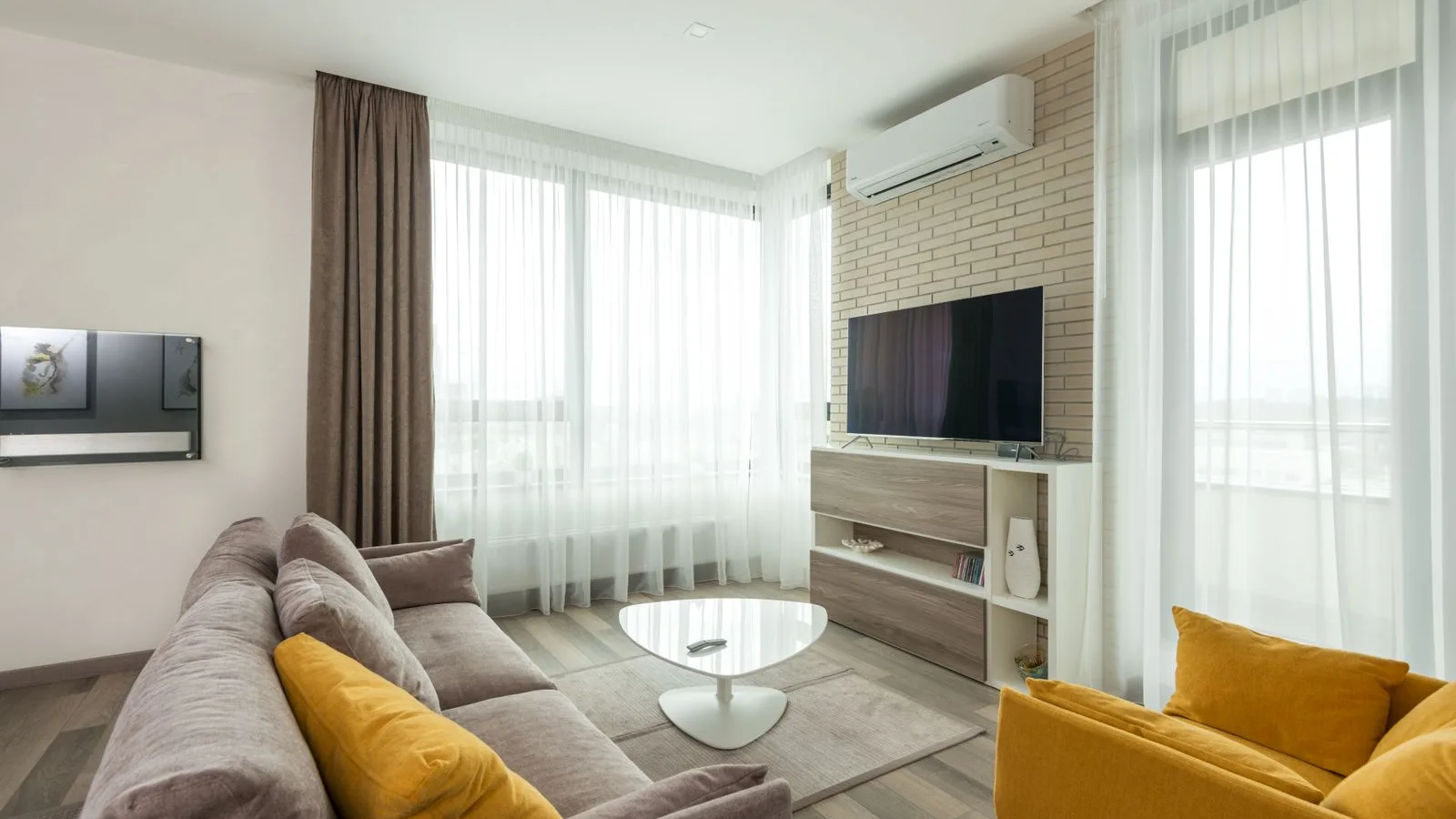
Direct Answer: What's the Best Multi Zone DIY Mini Split Right Now?
The best multi zone DIY mini split for most homes is Zone Air. One 27,000 BTU outdoor unit runs two or three indoor units, and you can mix wall-mount, ceiling cassette and concealed ducted units on it (Zone-Air.com). Each indoor unit connects on a pre-charged quick-connect line set, so the install needs no vacuum pump. True DIY multi-zone mini split systems are still rare. Most multi-zone setups require a technician to vacuum lines and handle refrigerant, which means the market for a genuinely homeowner-installed multi-zone system is narrower than the ads suggest. Multi-zone systems connect multiple indoor units to one outdoor unit, and the "best" choice depends on your number of zones (2–5), your climate, and whether you can safely handle mounting, condensate drainage and electrical work. Mini splits eliminate the need for ductwork, provide room-by-room temperature control and avoid the roughly 30% duct losses that account for a large chunk of central air conditioning energy consumption-so the appeal is real.
Below, we explain where precharged DIY systems fit, where a standard multi-zone ductless heat pump with a licensed install makes more sense, and where the warranty fine print can burn you. With wall heads, Zone Air's multi-zone systems are rated 24 SEER2. MRCOOL's DIY multi-zone condensers are rated 23.9 SEER2 (18K) and 23 SEER2 (27K). DIY mini-splits can achieve SEER2 ratings between 21 and 24, which is solid energy efficiency-but efficiency numbers don't matter much if the install goes sideways or the system can't hold up in your climate.
Below, we compare the main multi-zone DIY-style options, walk through how to choose, and show what a realistic DIY/pro split looks like in a zone 5A climate like Madison, WI. If your climate is similar, most of this applies directly to you.
How I Chose the Best Multi Zone DIY Mini Split Options
We install these systems for a living, so we are looking at what actually makes sense for homeowners who want to cut labor costs without harming reliability or voiding a warranty. That means we are looking at the installation path, climate performance, sizing flexibility, warranty rules, support quality and total cost, not just the price on the box.
Here's how we break down the factors:
Installation path:
-
True DIY with precharged quick-connect line sets: no vacuum pump required. How much flexibility you get on line-set lengths and head types varies by brand, from fixed-length wall-mount kits to custom-cut line sets and mixed head styles.
-
Hybrid: you do the mounting, wall penetrations and rough-in electrical. A licensed tech handles the pressure testing, the evacuation and the commissioning.
-
Full pro: this is a standard multi-zone heat pump system, with the most configuration options but with higher installation costs.
Performance and climate fit
-
SEER2 is the measure of cooling efficiency in mini split systems. HSPF2 measures heating efficiency. Both matter, but in colder climates you care more about HSPF2 and low-temperature capacity than you do about peak cooling numbers.
-
Mini-splits can hit SEER2 ratings up to 24 in a lot of DIY models, and they can go even higher in pro-grade units. Some reach SEER2 up to 26.
-
Mini-splits use inverter-driven compressors for energy efficiency, allowing them to modulate output rather than cycling on and off.
-
The NEEP cold-climate air source heat pump specification requires a variable-capacity compressor (three or more speeds, or continuously variable) and it is designed for IECC climate zone 4 and colder. Madison is zone 5A, so cold-weather performance is not optional here.
Multi-zone flexibility and sizing:
-
Common mini split capacities go from 9,000 to 48,000 BTU across the outdoor unit range. The individual indoor unit options usually start at 6,000 or 9,000 BTU for each head.
-
A 12,000 BTU unit covers rooms that are from 350 to 550 square feet. Sizing is based on square footage, insulation and ceiling height, not just the room area.
-
Improper sizing can lead to short cycling or inadequate heating. Proper sizing is one of the most overlooked parts of a DIY project.
-
Depending on what your layout looks like and how much you have done before, the maximum realistic DIY zone count is 2 to 5 heads.
Warranty and DIY rules:
-
Many "DIY" systems still require licensed pressure testing and evacuation in the warranty fine print. Installing a licensed HVAC technician is required for some systems to activate warranties.
-
Senville's warranty says a licensed HVAC professional has to do the pressure testing and evacuation of the line sets. That DIY installation voids coverage. That is a big deal if you thought "sold online" meant you would not need a pro.
-
Zone Air's 5-year parts / 7-year compressor warranty has no registration deadline, and installing the system yourself does not void it.
Support and parts:
- Good documentation, responsive tech support and available replacement boards, fans and control boards matter more than you'd think, especially once you get about two years down the road.
Total cost to get it right:
- Compare the kit price plus electrical work, wall penetrations, any required pro visit, permits and tools. Not just equipment price. A "cheap" system that needs a paid pro visit and a subpanel upgrade isn't necessarily cheaper than a mid-range system installed hybrid.
Best Multi Zone DIY-Style Mini Split Systems (Curated List)
This isn't a giant list of near-identical boxes. It's a curated set of distinct paths-true DIY kit, hybrid install, budget online purchase, and phased approach-for multi-zone heat pumps suitable for at least a 2–3 zone setup in a typical upper-Midwest home, addition, or outbuilding.
1. Precharged Multi Zone DIY Kit with Quick-Connect Line Sets
This is the category most people picture when they search for the best multi zone DIY mini split. The outdoor unit ships factory pre-charged, and the line sets use quick-connect fittings so you are not flaring copper or pulling a vacuum. Zone Air is our pick here. Its multi-zone systems let you mix indoor unit styles on one outdoor unit, and they cut each line set to the run it has to cover.
Why It Stands Out
-
It works for you if you do not own a vacuum pump or manifold gauges and you don't want to touch refrigerant.
-
From one Zone Air outdoor unit, you can run 2–3 wall-mount, ceiling cassette or concealed ducted heads. Each zone gets one pre-charged quick-connect line set, custom-cut to the length that room needs, 5–75 ft.
-
When you are comfortable with drilling, mounting wall brackets and handling electrical work, you get lower upfront labor costs. Most DIY mini-splits need basic hand tools for installation.
Best For
-
Homeowners who are replacing window units and want cooling plus real heating. Zone Air systems are rated to heat down to −13°F. Mini splits run quieter than traditional central AC or window units. They can dehumidify air continuously while they're running, which helps a lot in high humidity areas or during humid seasons.
-
Garages, bonus rooms and small homes, including floor plans where the line-set run to one room is a different length than the run to another room. Zone Air's 3-zone wall systems cover up to 1,800 sq ft (600+600+600).
-
DIYers who want a warranty that will still cover the system after they install it themselves.
Key Strengths
-
Because the line sets come pre-charged with quick-connect fittings, there are fewer field charging errors.
-
With clear installation manuals written for you, plus app-based control with Wi-Fi so you can monitor temperature and set schedules from your phone, Zone Air multi-zone systems give each zone its own thermostat and its own Wi-Fi control.
-
Multi-zone outdoor units run on 208/230V, so they fit typical residential panels with only small upgrades.
-
It's a good fit when you are replacing several window units in individual rooms with one outdoor condenser. You get 24 SEER2 with Zone Air wall heads.
Possible Limitations
-
With a Zone Air multi-zone system, you can connect up to three indoor units to one outdoor unit. Cassette heads and concealed ducted heads don't rate as high as wall heads do: 21 SEER2 for cassette and 19–22 SEER2 for concealed ducted.
-
Multi-zone cooling capacity drops when you run many heads at once, so careful sizing is crucial. You should calculate the required BTU capacity based on room characteristics, not just square footage.
-
Penetrations and wall brackets still need to be done right or you'll get leaks and vibration.
-
Some DIY models do not perform as well in cold climates, and not all of them work as a sole heat source in Madison winters. Even a system that is rated to −13°F loses capacity when the temperature gets extremely low.
2. Standard Multi Zone Mini Split with Hybrid DIY/Pro Install
This is the path where you buy a conventional multi-zone mini split system-from brands like Mitsubishi, Fujitsu or LG-and do the demolition, mounting, line set running and condensate work yourself. Then you bring in a tech to do the flares, the nitrogen pressure test, the deep vacuum and the startup of the system. HVAC systems have the most flexibility with professional installation. This hybrid approach gets you most of the labor cost savings while keeping the refrigerant side safe and warranty-compliant.
Why It Stands Out
-
Truly cold-climate, energy efficient multi-zone systems are available to you in a wider range. Mitsubishi systems and Fujitsu units lead the cold-climate market for a reason.
-
Flexible line-set lengths, branch boxes and different head styles-wall, floor, cassette or ducted-are all available for you to use.
-
A proper nitrogen pressure test and a deep vacuum down to what the manufacturer says, all done by a licensed pro.
Best For
-
Whole-house or main-floor multi-zone systems where this will be primary heat in zone 5A. If you want to heat your entire house without central air as backup, this is the path.
-
Homes with long or tricky refrigerant line runs, finished basements or multi-story layouts.
-
So are you handy with carpentry and electrical but don't want to own refrigeration tools or figure out the right size for mini split components yourself?
Key Strengths
-
You get access to NEEP-listed cold-climate models with variable-capacity compressors that hold strong output in deep cold. Cold-climate heat pumps maintain high heating capacity at low temperatures, and modern mini-splits can operate at 5°F efficiently.
-
Putting out over 70% of its heating capacity at 5°F, the Fujitsu Altair 500 Series also has SEER2 ratings up to 33.7. Those are numbers that most DIY-market brands can't touch.
-
When your installation steps match the book and your paperwork lists a licensed installer, you get the full manufacturer warranty. Through established dealer networks, you also get better availability of service, parts and software updates.
-
You can mix different indoor unit types per room-a wall head in bedrooms, a slim-ducted air handler for the main living area, and so on.
-
In many pro-grade setups, mini-splits can get SEER2 ratings up to 26.
Possible Limitations
-
To finish the job, you have to schedule a tech and pay them to do the pressure testing, the evacuation and the commissioning.
-
There's more planning work: line-set paths, electrical, permits and condensate all need to be coordinated.
-
Compared to budget DIY-market brands that are out there, the upfront equipment cost is often higher.
-
Some Mitsubishi units lose efficiency quickly in extreme cold below certain limits, so it matters to check the low-temp data for the specific model. Some mini-splits struggle when the weather is freezing and it gets below 0°F.
3. Budget Multi Zone Minisplits Marketed for "DIY" Purchase
These are online-market multi-zone brands sold direct to you. Senville and other online brands look DIY-friendly in the listing, but they have pro-level warranty requirements buried in the fine print. Usually you find the price attractive and think the rest is simple.
Why It Stands Out
-
Compared to the big premium names, the equipment prices are lower, and you often get decent efficiency ratings for what you pay.
-
The designs for wall-mount heads are simple and familiar, and the kits include line sets in the common lengths.
-
Popular choice for homeowners who are cost-sensitive but want to control multiple rooms from one outdoor unit.
Best For
-
You might be okay hiring a pro for startup but want to source gear online at a lower price.
-
Secondary buildings like shops or outbuildings, where looks and how quiet it runs are less important.
-
These are moderate climates or supplemental diy systems, not backup you would only use in emergencies at −20°F.
Key Strengths
-
Compared to some premium systems that are on the market, the cost per zone is attractive.
-
They often share core parts like compressors and fans with OEMs that are well known.
-
Good learning platform if you are planning a supervised DIY/hybrid install.
Possible Limitations
-
Warranties commonly need a licensed tech for pressure testing and evacuation. Senville's warranty registration page shows that DIY installation voids coverage. That's not talk, it is their published policy.
-
Warranty claims can be slower when you buy through generic online stores with limited support from the brand.
-
Documentation and wiring drawings can be less polished, making DIY troubleshooting harder.
4. Multi Zone System with One Head Installed Now, More Later
This step-by-step approach has you install a multi-port outdoor unit and start with one or two indoor heads in the rooms that need help most, then add more zones in future seasons. It is particularly useful when you are doing renovations or when your budget is tight. On a Zone Air 27K outdoor unit, you can start with one head and add a second or third later on a spare port, using a pre-charged line set and no vacuum pump. A single-zone condenser cannot be converted, so you will want to start with the multi-zone outdoor unit if you expect to add rooms.
Why It Stands Out
-
It is spreading the cost out over time while keeping the door open for zoning the whole house.
-
It is letting you learn on simpler first zones before tackling harder runs in the rest of the house.
-
It is useful in renovations where some spaces aren't finished yet.
Best For
-
Owners who are remodeling in stages and who eventually want 3–5 zones running off one outdoor condenser.
-
Houses where one room-like an upstairs office, garage or addition-needs help immediately while the rest can wait.
-
You are a budget-conscious homeowner who still wants a robust, easy-to-fix system.
Key Strengths
-
It reduces the initial workload for permits, electrical work and carpentry.
-
It gives you time to confirm line-set paths and condensate paths before you finish setting up all heads.
-
It works with the hybrid DIY/pro approach: you can book the same installer each time you want to add on.
-
R-454B refrigerant is used in modern multi-zone mini split systems, and if you plan for this newer refrigerant now, your system will stay compatible with future service standards.
Possible Limitations
-
If you size the outdoor unit for the full load you'll need in the future, and you run it at a light capacity, the efficiency may drop if the system was not designed carefully to work at part load.
-
You'll be opening walls or ceilings multiple times if planning isn't solid up front.
-
With flare-connected systems, you need to coordinate refrigerant handling every time you add a new head, and each visit means you have to pay for a tech to come out.
Quick Comparison of the Best Multi Zone DIY Mini Split Paths
Here's a quick look back at the four approaches:
-
Precharged multi zone DIY kit with quick-connect lines - Best when you want to avoid owning refrigeration tools and are mainly chasing cooling plus light heating across 2–3 rooms. Most mini-splits operate quietly and handle the space well for seasonal use or as a supplement to central air.
-
Standard multi zone system with hybrid DIY/pro install - Best if you want serious cold-climate performance and are comfortable doing carpentry and electrical while a tech handles refrigerant work. This is where you'll find the most energy efficient units on the market.
-
Budget multi zone minisplits bought online - Best if you are trying to minimize equipment price and are willing to read the warranty fine print and line up a tech for startup.
-
Phased multi zone install (one head now, more later) - Best if you're remodeling in stages or spreading cost over a few years but still want one outdoor unit that can grow with the house over time.
Zone Air vs MRCOOL DIY Multi-Zone
Both brands have pre-charged quick-connect multi-zone systems for sale. MRCOOL's catalog says no special tools or training are necessary to install its DIY units. When it comes to head styles, line sets and how you buy, that is where the differences are.
| Zone Air multi-zone | MRCOOL DIY multi-zone | |
|---|---|---|
| Outdoor unit | One 27,000 BTU condenser for every 2- and 3-zone system | 18K to 55K condensers, the 55K listed for up to 2,290 sq ft; 2–6 connected indoor units |
| Indoor unit styles | Wall-mount, ceiling cassette and concealed ducted, mixed on one outdoor unit | Wall-mount and OuttaSight ceiling cassette; the DIY ducted option is the 24K–36K Hybrid central air handler |
| SEER2 (wall heads) | 24 | 23.9 (18K), 23 (27K) |
| Heating floor | −13°F | −13°F on 18K–48K condensers; −22°F on the 55K |
| Line sets | One pre-charged quick-connect set per zone, custom-cut 5–75 ft in a single run | Fixed 11.5, 16, 25, 35 and 50 ft sets, with couplers to reach longer runs |
| Warranty | 5 yr parts / 7 yr compressor, DIY install doesn't void it | 5 yr parts / 7 yr compressor, no registration required |
| How you buy | Sold and shipped direct, free shipping to the 48 contiguous states; 30-day returns on uninstalled units | Through authorized dealers and retailers; returns and exchanges depend on the seller |
Why Zone Air
-
Zone Air does final assembly, testing, and inspection in the USA from globally-sourced components, so every system is checked before it ships.
-
Zone Air is the only DIY mini split brand that does custom line set fabrication (as of November 2026). It can make a line set to the exact length you need, up to 75 ft in a single run. Fixed-length kits reach longer runs by joining an extension line set with a coupler, and every added connection is one more place a leak can develop.
-
Zone Air is the only DIY mini split that lets you mix wall-mount, ceiling cassette and concealed ducted units on one outdoor unit (as of November 2026). MRCOOL's DIY ducted air handlers are central units that come with 24K–36K, and they are built for larger areas. Zone Air's concealed units are built for one room, and its 7⅞ in tall concealed ducted unit makes it the only DIY concealed ducted mini split system on the market (as of November 2026).
-
At higher efficiency, Zone Air is often 15–30% less than similar MRCOOL systems.
-
Zone Air sells and sends every system direct, so warranty claims, returns and swaps go straight to Zone Air. You can't buy direct from MRCOOL, so you buy through a dealer or store.
How to Choose the Right Multi Zone DIY Mini Split Approach
Choosing the "best" multi zone DIY mini split is really about choosing the right installation path for your house, your skills, and your winter temperatures. The equipment itself is only part of the equation.
Choose Based on Your Climate and Heating Expectations
In Madison and similar zone 5A climates, you either need a cold-climate multi-zone ductless mini split or you treat DIY systems as supplemental heat only. There is no middle ground when it is 5°F outside and your family is counting on the system to keep the house at 68°F.
The NEEP cold-climate spec lists qualified units with variable-capacity compressors that hold meaningful output in deep cold. These systems typically retain 70–80% or more of their rated capacity at 5°F. For example, the Fujitsu Altair 500 Series retains over 70% heating capacity at 5°F. Many DIY-market models are fine as a primary cooling system and backup heat for colder climates, but not always as the only heat source for an older, leaky house with poor insulation. You'd want to check whether a system is NEEP-listed before counting on it as sole heat in a zone 5A winter. And remember: even among premium brands, some struggle-certain Mitsubishi units lose efficiency quickly in extreme cold, so always check the specific model's low-ambient data.
Choose Based on How Much Real DIY You're Comfortable With
Installation of mini-splits involves electrical work and refrigerant handling. Here's how we'd break down what's realistic:
-
Most homeowners can handle: mounting indoor heads on a wall, drilling 3″ wall penetrations, hanging the outdoor unit on a pad or brackets, running condensate hoses with proper slope. Each indoor mini-split unit requires proper condensate drainage-get the slope wrong and you'll have water damage.
-
Some can handle with care: pulling new circuits (most DIY mini-splits require a dedicated electrical line), running outdoor whip and disconnects, following local electrical code with permits as required. Multi-zone systems typically require a dedicated 208-230V electrical circuit.
-
Usually left to a licensed tech: flaring copper refrigerant line sets the right way, doing nitrogen pressure testing, pulling a deep vacuum down to below 500 microns, opening the service valves and checking superheat and subcooling.
Here's why the refrigerant side matters legally, not just practically: EPA says a high-pressure appliance is one whose refrigerant has a liquid pressure of 170–355 psia at 104°F, and names R-410A as an example. Mini splits aren't "small appliances." The small appliance category is limited to factory-sealed units with 5 lb or less. Mishandling refrigerant on these systems isn't just a warranty issue. It is also a regulatory issue.
Choose Based on Electrical, Permits and Local Rules
Before you buy anything, check your panel capacity and breaker space, because a 3-zone system with a 230V outdoor unit and dedicated circuits for each indoor unit can eat up breaker spots fast. You'll also want to figure out whether you need a subpanel for multiple zones.
In Madison, a ductless split system in an existing building needs a City HVAC permit, and the fee is small, so there's really no reason to skip it. That cost is something you'll want to build into your installation costs.
One piece of good news for Wisconsin is that the state did not adopt NEC 210.8(F), which is the 2023 rule requiring GFCI protection on outdoor outlets that feed equipment like heat pump condensers (SPS 316.210(1)(e)). That means the nuisance-tripping GFCI breaker issue that plagues inverter mini splits in other states-like Southern California and parts of the Northeast-doesn't come from state code here. Even though that specific headache is off the table, you still need to follow all the other electrical code requirements.
Before you cut any holes or connect anything, you need to confirm your local electrical and mechanical permit requirements.
Which Multi Zone DIY Mini Split Path Is Best for You?
Whether you want the lowest labor costs, the best cold-climate performance or the easiest future service access is what the right answer depends on. Here is a quick decision model that can help:
-
Choose a precharged multi zone DIY kit such as Zone Air if you're mainly replacing window ACs, are comfortable drilling and mounting, and your winters are moderate or you have backup heat. These stock kits with homeowner friendly installation steps handle most of the work.
-
Choose a standard multi zone system with hybrid DIY/pro install if this will be a key heating system in a cold climate and you want solid warranty, efficiency and long-term service access. This is what we see work best for an entire house in zone 5A.
-
Choose a budget online multi zone system if equipment price is critical and you're willing to line up a licensed tech for the start so the warranty doesn't evaporate. It is worth reading every word of the warranty terms.
-
Choose a phased multi zone install if you're renovating in stages and want one outdoor unit that can grow with the house over a few years. This is primarily about spreading cost and complexity over time.
If you want to do as much as you safely can before a tech comes in to pressure test and pull vacuum, that's exactly the kind of project we help with. You handle the carpentry, we handle the refrigerant and final checks.
Final Thoughts
Multi zone DIY mini split air systems are attractive because they save ductwork, cut labor costs, and give you zoned control over individual rooms instead of one thermostat running the whole house. But they're unforgiving of mistakes-especially with flares, vacuums, and electrical connections. A bad flare joint won't show up for months, and by then you're chasing a slow leak with a system that's lost charge and efficiency.
For many of you, the best "DIY" is actually a hybrid job where you do the carpentry and prep, then bring in a tech for the refrigerant side and final checks. Plan your zones, electrical and permits carefully, then pick the path that matches your skills, your climate and how much service work you're willing to deal with later. That's how you get a mini split system that actually performs-not just one that was cheap to install.