
MRCOOL DIY 5th Gen 18,000 BTU vs Zone Air 18,000 BTU DIY Mini Split: Specs, Differences & Who Should Buy Which
Zone Air vs MRCOOL DIY 5th Gen 18,000 BTU compared for real install savings. See exact spec gaps, included accessories, and which saves more without pro help.
- Written by
- A working HVAC tech
- Updated
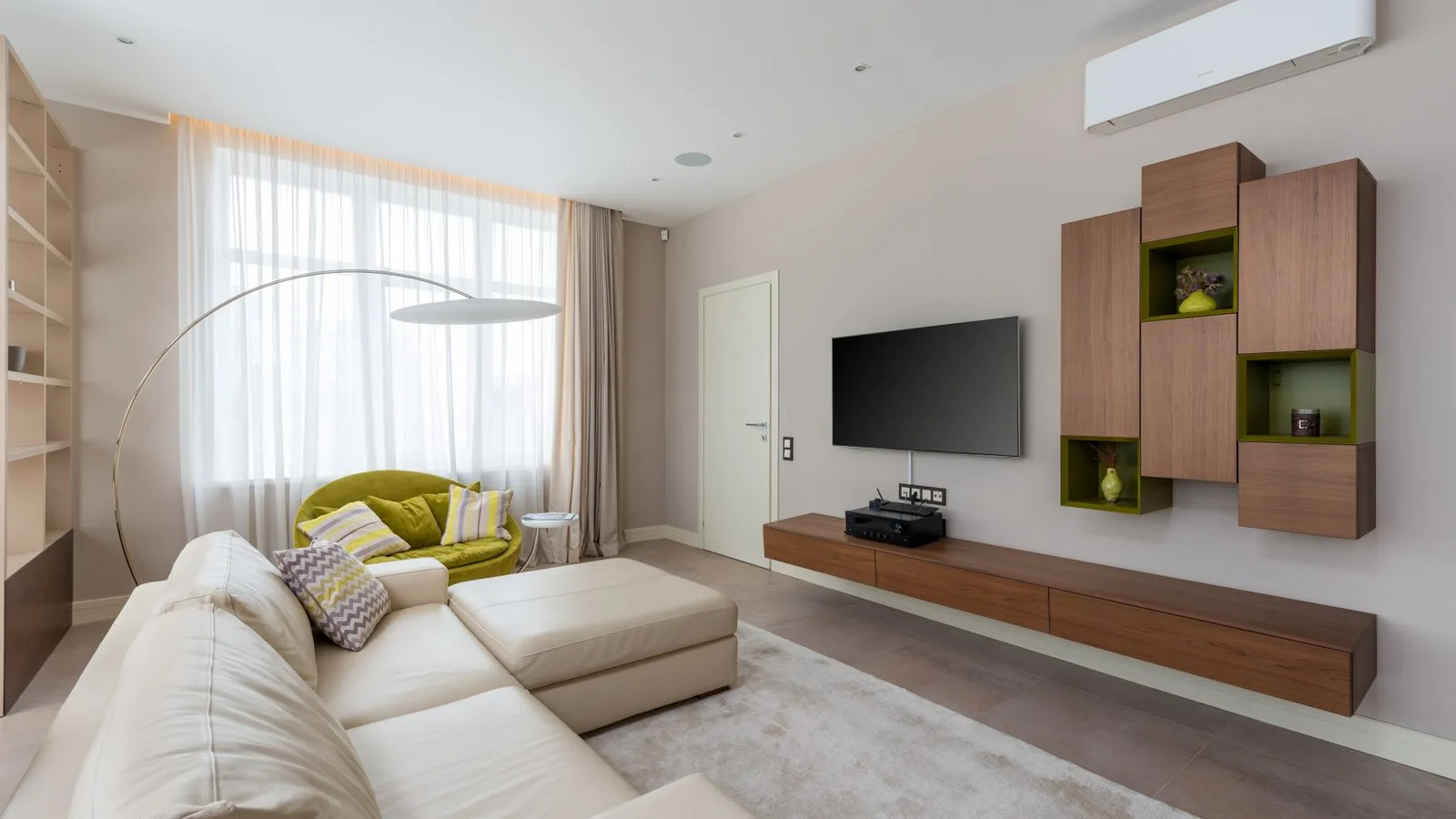
Energy‑Efficient 18,000 BTU DIY Mini Splits You Can Install Yourself
The MRCOOL DIY 5th Gen 18,000 BTU and the Zone Air 18,000 BTU DIY mini split are two pre-charged, vacuum-free ductless mini split systems built for homeowners who want to skip the HVAC contractor. Both deliver 18,000 BTU of cooling capacity and heat-pump heating on a 230V circuit, and both target spaces up to roughly 800–900 sq ft-garages, open living areas, bonus rooms, and finished attics.
This comparison breaks down the exact specs, installation difficulty, real-climate performance, and cost differences so you can decide which 18k BTU diy mini split fits your project. Zone Air is often 15–30% cheaper than MRCOOL while delivering higher efficiency on comparable systems-but we'll let the numbers speak for themselves in a transparent, spec-driven comparison.
Both systems have factory-sealed, pre-charged quick-connect line sets, so you should not need to handle refrigerant for either install. MRCOOL says no special tools or training are necessary to install its DIY 5th Gen, and Zone Air's install needs no vacuum pump, no manifold gauges and no EPA 608 certification. If you can drill a hole through a wall and wire a dedicated circuit (or hire an electrician for that part), you can install either system.
Why You'll Love an 18,000 BTU DIY Mini Split
An 18k BTU heat pump is a powerful and efficient solution for conditioning a medium-to-large single zone-think a 700–1,000 sq ft open living space, a 2- to 3-car garage, or a combined kitchen-dining area that central air can't quite reach.
-
Right-Sized Comfort. It heats and cools rooms around 700–1,000 sq ft without using extra energy the way a 24k unit would. The MRCOOL DIY 5th Gen has an 18,000 BTU capacity and is designed for up to 800 square feet coverage, while Zone Air's 18k is rated for up to 900 sq ft depending on insulation, ceiling height and climate.
-
True DIY Installation. Both MRCOOL DIY and Zone Air use quick-connect designs that eliminate the need for refrigerant handling, a vacuum pump or specialized tools. With these systems, there is no barrier that traditionally kept mini split installation in the hands of licensed HVAC techs.
-
High Energy Savings - The MRCOOL DIY 5th Gen 18k features a 22.5 SEER2 efficiency rating, while Zone Air's 230V 18k is rated 23 SEER2. Both far exceed the federal minimum, which translates to meaningful monthly bill reductions and lower energy consumption year-round.
-
All-Season Use - Reliable cooling in 100°F+ summers and heating down to −13°F for both systems. MRCOOL's higher-tier DIY models are rated lower. Zone Air is rated to cool in outdoor temperatures up to 131°F; MRCOOL publishes 122°F. These are genuine cold-climate heat pump systems, not cooling-only air conditioner units with a token heat mode.
-
Room-By-Room Control – Each indoor unit has its own thermostat, wireless remote, and app control. Adjust settings for one zone without affecting the rest of the house-true even temperature control instead of one thermostat for every room.
-
Quiet Operation Sleep mode and quiet settings bring indoor sound levels down to a whisper, which is far below the 50–60+ dB you'd get from a window unit or portable air conditioner.
What Makes Zone Air Different From MRCOOL DIY 5th Gen at 18,000 BTU
Most DIY shoppers who compare MRCOOL DIY vs Zone Air want clear, spec-level differences instead of marketing talk. Here's what actually separates the two when you are looking at the 18k capacity point:
-
Higher Efficiency at 230V - Zone Air's 18k 230V system is rated 23 SEER2, while MRCOOL DIY 5th Gen comes in at 22.5 SEER2. Over a 10-year ownership period, that efficiency gap adds up to modest savings on your electric bill and lower overall energy consumption.
-
Custom-Cut Pre-Charged Line Sets - Zone Air cuts each pre-charged quick-connect line set to the exact length your run needs, anywhere from 5 to 75 ft in a single continuous run. MRCOOL ships fixed line set lengths and requires couplers beyond 50 ft-every extra coupling is another potential connection point. Line sets should not exceed 75 feet in length for either brand.
-
American Final Assembly & Inspection - Zone Air systems undergo final assembly, testing, and inspection in the USA from globally-sourced components, and every system ships pre-inspected. This is not just a sticker on the box-it is a quality-control process that happens before the unit reaches your door.
-
Warranty and DIY-Friendly Policy - Zone Air offers 5-year parts / 7-year compressor coverage with no registration deadline, and installing it yourself does not void it. MRCOOL DIY 5th Gen offers the same 5/7 coverage, with no registration required.
-
Direct From the Manufacturer Zone Air sells, ships, and supports every system directly. Sales, warranty, parts, returns, and exchanges all go through one company, with live technical support from the people who built the system. MRCOOL doesn't sell direct to consumers-you buy through a dealer or retailer, so returns and exchanges depend on the seller. Good customer service should not need you to deal with a third party.
-
Lower Upfront Cost Zone Air systems are often 15–30% less than comparable MRCOOL DIY 5th Gen systems, at higher efficiency (source). That's a cost effective advantage that matters whether you're conditioning a garage or a living room.
-
Hot-Climate Ceiling Zone Air is rated to cool in outdoor air temperature up to 131°F vs MRCOOL's 122°F. If you live in Phoenix, Las Vegas or the Central Valley, that extra 9°F of rated headroom means reliable performance on the worst days of summer.
How a 18,000 BTU DIY Mini Split Install Works (Step-by-Step Overview)
The installation process for both MRCOOL DIY and Zone Air 18k systems follows the same general pattern. Here's a high-level overview-details vary by model and local code, so always follow your specific manual.
1. Plan the layout and electrical
Choose the wall for the 18k wall mounted air handler-typically high on an exterior wall with clear airflow and a gravity-friendly condensate drain run. The indoor unit mounts at least 6–8 inches below the ceiling with no obstructions blocking the return or supply.
For the electrical side, both 18k 230V systems need a dedicated 208/230V, single-phase, 60 Hz circuit. Zone Air also offers 115V models in smaller sizes (9K and 12K) that can plug into a dedicated outlet where local code allows-though the 18k itself is a 230V system.
2. Mount the Indoor & Outdoor Units
Mount the indoor bracket to the wall studs, drill an about 3-inch hole through the exterior wall for the line set, and hang the mini split air handler on the bracket. A second pair of hands helps but it is not strictly required.
Set the outdoor unit on a concrete pad, ground-level stand or wall brackets. Keep proper clearance on all sides for airflow-most manuals call for at least 12 inches on the sides and 24+ inches in front. Level the condenser carefully for proper drainage and compressor health.
Route the line set, condensate hose and communication cable through the wall opening using gentle curves and proper support clips. Avoid sharp kinks in the line sets-copper tubing doesn't forgive hard angles.
3. Connect, Power Up and Test
Make the quick-connect refrigerant connections on both the indoor and outdoor unit sides. The compressed gas stays sealed in the factory-charged line set until you tighten the fittings-no flaring, no vacuum pump, no gauge set. This is what makes it an easy DIY installation rather than a licensed-contractor job.
Wire the dedicated circuit to the disconnect and from the disconnect to the outdoor unit, confirming polarity and ground. Follow lockout/tagout safety practices any time you're working in the breaker panel. Many homeowners handle the mechanical work themselves and hire an electrician just for this step-a straightforward setup that keeps everyone safe.
Run the initial startup: check for refrigerant leaks at the connections, verify the condensate drain is flowing, and test both cooling and heating modes. Confirm remote control and app connectivity (both systems include wifi compatibility for smart controls). Check all fan speeds and airflow direction.
Always verify local permit requirements. Most jurisdictions treat pre-charged quick-connect systems as electrical-only permits, but rules vary by municipality.
Key Specs: MRCOOL DIY 5th Gen 18,000 BTU vs Zone Air 18,000 BTU DIY
Here's a quick side-by-side comparison for shoppers who want the numbers first:
| Specification | MRCOOL DIY 5th Gen 18k | Zone Air 18k DIY |
|---|---|---|
| Cooling Capacity | 18,000 BTU | 18,000 BTU |
| Heating Capacity | 18,000 BTU | Listed on spec sheet |
| Efficiency (SEER2) | 22.5 | 23 |
| HSPF2 | 11.5 | Listed on spec sheet |
| Power Supply | 208/230V, 1-phase, 60 Hz | 208–230V, 1-phase, 60 Hz |
| Min/Max Line Set Length | Fixed 11.5–50 ft sets / up to 75 ft w/ couplers | 5–75 ft custom-cut, single run |
| Heating Operation (Low Temp) | Down to −13°F | Down to −13°F |
| Cooling Operation (High Temp) | Up to 122°F | Up to 131°F |
| Refrigerant | R-454B | R-454B |
| Warranty (Parts / Compressor) | 5 yr / 7 yr (no registration required) | 5 yr / 7 yr (no registration deadline) |
| Smart Control | Wi-Fi (dongle), app, Alexa, Google Assistant | Wi-Fi, app, voice control |
Key takeaways:
-
Zone Air edges MRCOOL in SEER2 at 230V (23 vs 22.5), so you'll get lower energy consumption for the same output.
-
Both systems hit −13°F as their minimum heating temperature, so they're genuine cold-climate heat pumps.
-
In hot weather, the ceiling for Zone Air's cooling goes up to 131°F while MRCOOL's stops at 122°F, so there is a big difference for desert and Southern climates.
Product Details: Zone Air 18,000 BTU DIY Mini Split
This section focuses on the Zone Air single-zone wall-mount 18k DIY model-the system we recommend for most first-time DIY buyers at this capacity.
Core Technical Specs
-
Capacity: 18,000 BTU cooling and heating class
-
Voltage: 208–230V, single-phase, 60 Hz
-
Efficiency: 23 SEER2-among the most efficient DIY mini split systems available
-
Line Set Length: You can get the line set custom-cut anywhere from 5 to 75 ft in one continuous pre-charged run, so you don't need to add extension couplers
-
Indoor Sound Level: It is about 22–42 dB indoors depending on what you have the fan speed set to
-
Operating Temperature Range: Heating down to −13°F, cooling up to 131°F
-
Coverage: Up to 900 sq ft depending on insulation, ceiling height and sun exposure
-
Indoor Air Quality Features: Dry mode helps maintain comfortable humidity levels by removing excess humidity without overcooling the space
What's Included in the Box
Every Zone Air 18k DIY system comes with the following:
-
Indoor air handler (wall-mount)
-
Outdoor condenser
-
Wall mounting bracket and installation hardware kit (anchors, screws)
-
Condensate drain hose
-
Communication cable
-
Wireless remote (remote control included)
-
Wi-Fi app control
-
DIY installation manual
Warranty, Returns & Support
With Zone Air, the warranty covers parts for 5 years and the compressor for 7 years. You do not have to meet any registration deadline. DIY installation is fully allowed-it doesn't void your coverage. This is a big difference from brands like Senville (DIY voids warranty) or Pioneer (1-year coverage unless registered within a week of install).
Returns are accepted within 30 days on uninstalled units. Direct tech support is available 8 AM–6 PM Mountain Time from the team that built the system. Install videos, documentation and sizing guidance are all available directly from Zone Air. No retailer middleman, no "contact the seller" runaround.
Who an 18,000 BTU DIY Mini Split Is Best For
Capacity and DIY comfort level should both drive the decision. Here's who gets the most from an 18k single zone mini split:
-
Garage and Shop Owners - Conditioning a 2- to 3-car garage, workshop or hobby space for year-round use. An 18k unit can handle the volume and the temperature changes that come with large doors and minimal insulation.
-
Open Living/Dining Areas. Homeowners with a combined living, kitchen, and dining area around 600–1,000 sq ft who need more precise home climate control than a central system blowing through long duct runs can provide.
-
Bonus Rooms and Finished Attics - Rooms above garages or attic conversions that your existing ductwork can't reach. A wall-mounted mini split air handler gives you maximum comfort without having to tear into walls to put in new ducts.
-
DIY-Savvy Homeowners Anyone who is comfortable with drilling through the outside walls, running the control cable and making the flare-free quick-connect fittings. You can hire an electrician for the dedicated circuit if you'd rather-a simple installation with the mechanical work done yourself.
-
Buyers Comparing MRCOOL DIY vs Zone Air – Shoppers who want pre-charged, vacuum-free effortless installation and are weighing better price and efficiency with direct-from-manufacturer support (Zone Air) against a dealer-and-retailer sales model (MRCOOL).
MRCOOL DIY 5th Gen 18,000 BTU: Where It Fits
The MRCOOL DIY 5th Gen 18k is MRCOOL's flagship DIY line, sold through dealers and retailers. Here's where it fits and where it differs from Zone Air.
The MRCOOL DIY 5th Gen is a system that uses R-454B refrigerant. It can support up to six zones for heating and cooling when you pair it with compatible multi-zone outdoor units. The 18k head usually serves as one of several zones.
Features: Smartphone app control (Wi-Fi via a dongle), Alexa and Google Assistant, and Gold Fin coil coating. The included remote has full control locally. The Gold Fin coating is there to help with corrosion resistance in hot or humid environments, including coastal ones.
Tradeoffs vs Zone Air: Fixed line set lengths with couplers required above 50 ft (Zone Air offers one continuous custom-cut run up to 75 ft), slightly lower SEER2 at 230V (22.5 vs 23), and pricing that is often 15–30% higher than comparable Zone Air systems. MRCOOL doesn't sell direct to consumers, so returns and exchanges depend on the selling dealer. Parts are covered by a 5-year warranty and the compressor for 7 years, with no registration required.
How to Choose Between Zone Air 18k and MRCOOL DIY 5th Gen 18k
Both of these are real 18k BTU DIY mini split systems with pre-charged quick-connect line sets and cold-climate heating. Which one makes sense for you comes down to what matters most to you.
-
Choose Zone Air 18,000 BTU DIY if… you want higher efficiency at 230V (23 SEER2 vs 22.5), one continuous custom-length line set up to 75 ft with no couplers, a lower price on comparable systems, direct-from-manufacturer support and the flexibility to mix indoor styles like wall-mount, ceiling cassette or concealed ducted on a multi-zone condenser. Zone Air's approach to home climate control-direct sales, no registration deadlines, no warranty penalty for DIY-makes it the most straightforward option for first-time installers.
-
How MRCOOL DIY 5th Gen 18,000 BTU differs: it is sold through dealers and retailers rather than direct, and its 18k wall head can also run as one zone on a MRCOOL DIY multi-zone condenser.
For most first-time DIY buyers starting fresh, Zone Air is generally the better-value 18k diy mini split-higher efficiency, lower price, custom line lengths, and one company handling everything from sale to support.
Frequently Asked Questions
Here are the most common questions about 18k BTU DIY mini split systems, with specific answers for MRCOOL DIY 5th Gen vs Zone Air.
Is 18,000 BTU right for my room?
Roughly 20–25 BTU per sq ft is the starting point, adjusted for insulation quality, ceiling height, window count and climate zone. A well-insulated open space of 700–1,000 sq ft is typically a strong fit for 18k BTU. Zone Air's 18k is rated for up to 900 sq ft and MRCOOL's for up to 800 sq ft, though very leaky, sun-exposed or high-ceiling rooms may need a manual J calculation or upsizing. When in doubt, Zone Air's support team can help with sizing before you order.
Can I install a Zone Air or MRCOOL DIY 18k?
Yes. "DIY" means no refrigerant work-the compressed gas stays sealed in the factory-charged line set until you tighten the quick-connect fittings. But it's still real work: drilling a 3-inch hole through an exterior wall, mounting hardware, routing line sets and wiring a 230V dedicated circuit. Many homeowners do the mechanical installation themselves and hire an electrician for the circuit and disconnect. Zone Air's quick-connect line sets remove the need for a vacuum pump, manifold gauges or EPA 608 license. MRCOOL says no special tools or training are necessary for its DIY 5th Gen. Installation requires no special tools or professional experience beyond basic hand tools and a drill.
How noisy are these 18k DIY mini splits?
Zone Air's indoor units run about 22–42 dB depending on fan speed. For comparison, a window unit or portable AC typically runs 50–60+ dB. Sleep mode drops sound levels further for a comfortable indoor environment overnight. The remote's location near your bed makes nighttime adjustments effortless.
What if something goes wrong after install?
Zone Air built its warranty process for DIY: coverage goes by proof of purchase, you get direct tech troubleshooting by phone, and replacement parts ship from Zone Air. There's no registration deadline and no penalty for self-installation. MRCOOL DIY returns and exchanges run through the dealer or retailer you bought from, and they route warranty claims to MRCOOL. Both brands give you 5-year parts / 7-year compressor coverage without requiring registration. Both aim for long lasting performance and reliable warranty support, but Zone Air's direct model means one phone number handles everything.
Can I expand to more rooms later?
Zone Air offers multi-zone condensers where you can start with one 18k head and add zones later. Each zone gets its own thermostat and Wi-Fi control, and a spare port on the multi-zone outdoor unit accepts a new pre-charged line set-no vacuum pump needed. You can even mix indoor styles: wall-mount, ceiling cassette or concealed ducted indoor units on the same condenser.
MRCOOL DIY multi-zone systems work similarly but must be planned upfront for total BTU capacity. The MRCOOL 18k head typically serves as one of several zones on a multi-zone condenser. A single-zone condenser can't be converted to multi-zone, so if you expect a second room in a few years, start with a multi-zone outdoor unit from either brand.
Ready to Pick Your 18,000 BTU DIY Mini Split?
The Zone Air 18k DIY mini split delivers higher efficiency at 230V (23 SEER2), custom quick-connect line sets cut to your exact run length, sub-zero heating down to −13°F, cooling up to 131°F, direct support from the manufacturer, and pricing that's often 15–30% less than comparable MRCOOL DIY 5th Gen systems at similar or lower efficiency. It's an efficient solution that comes with a 5-year parts warranty and a 7-year compressor warranty. There is no registration deadline and no DIY penalty.
Confirm your room size and electrical panel capacity, choose your line set length, and select any accessories you need. Zone Air's support team is available 8 AM–6 PM Mountain Time to help with sizing, layout, or installation questions before you order. You can save money on the system and the install-without compromising on temperature control or long-term reliability.
[Shop the Zone Air 18,000 BTU DIY Mini Split → Add to Cart]
Shipping is free to the lower 48. You have 30 days to return uninstalled units. You'll get direct support from the people who built your system.