
Can One Mini Split Cool a Whole House?
If you're weighing whether a single ductless unit can handle your entire home, the answer depends on a handful of practical details most online guides gloss over. Here's what actually matters.
- Written by
- [Tech Name], HVAC tech
- Updated
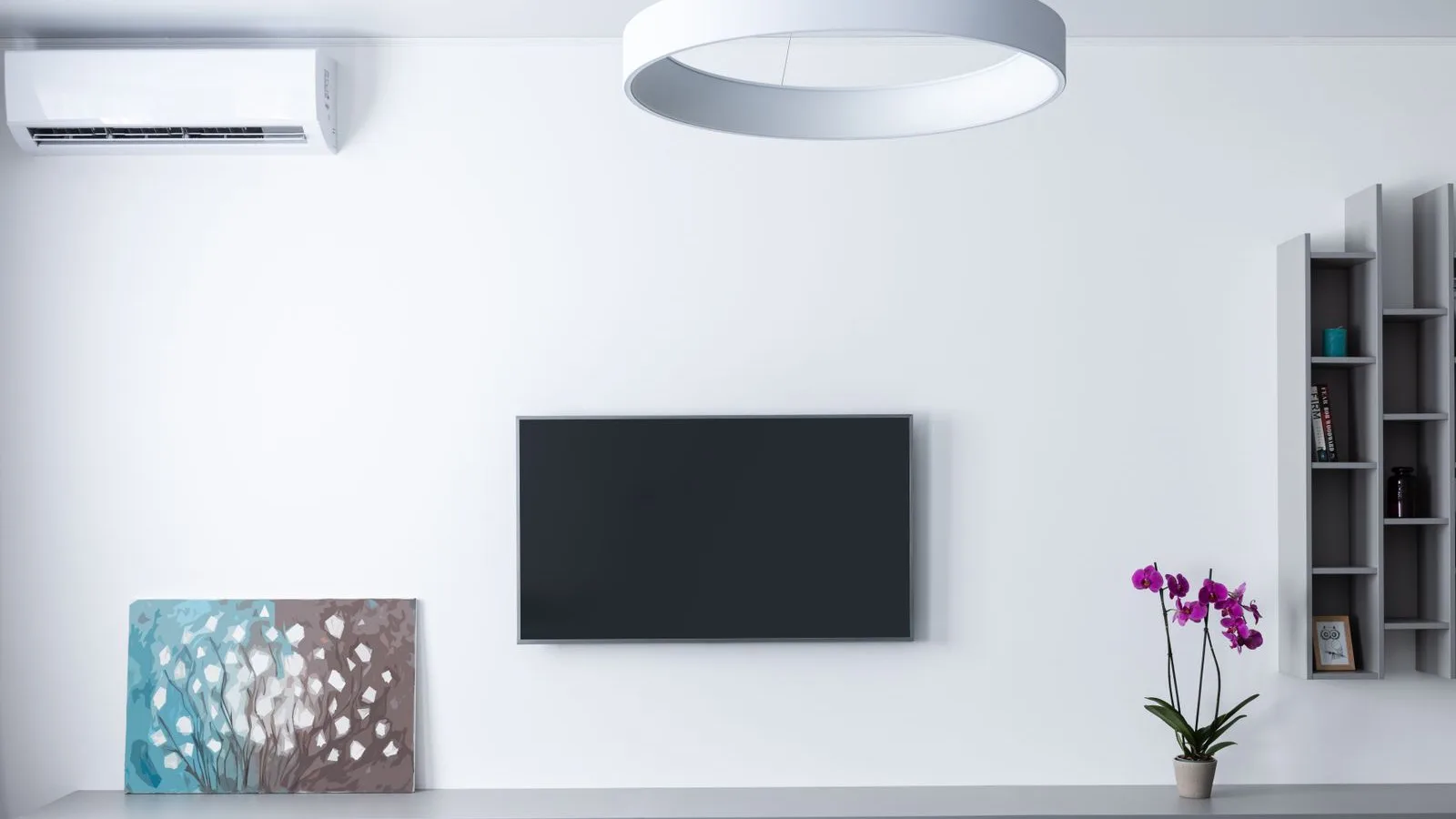
Quick Answer: Can a Single Mini Split Cool an Entire House?
Yes, a single-zone mini split can cool an entire house - but only under specific conditions. The home needs to be small (typically under 800–1,000 square feet), single-story, and laid out as one open space with few interior walls. A mini-split's cooling capacity must match the total square footage and heat load of the entire structure, and a single indoor mini-split head is designed to cool a specific zone or open area, not a traditional multi-room house.
In most 3-bedroom or multi-story homes, one indoor unit will leave distant rooms uncomfortably warm, especially when doors are closed. Severe temperature imbalances can occur when using a single mini-split for larger homes with multiple rooms.
For standard U.S. homes built after the 1970s, multiple indoor units - either through a multi zone system or several single-zone mini splits - are usually required for whole house cooling.
How does this compare to central air? Traditional HVAC systems push conditioned air through existing ductwork to every room via registers. A single ductless head simply can't move cool air around corners, through hallways, or up staircases the way ducts can.
Quick rules of thumb:
- 600 sq ft open-plan cottage, good insulation, mild climate → one 12,000–18,000 BTU mini split can likely handle the entire home.
- 1,200 sq ft ranch, 2 bedrooms, partially open layout → possible with a larger unit and doors left open, but bedrooms will run warm.
- 1,800 sq ft, 3-bed, 2-bath, two-story home → one unit will cool the room it's in; the rest of the house will need additional air handlers.
How a Ductless Mini Split Cools (and Heats) Your Home
Ductless mini splits are compact heat pumps that provide both heating and cooling without ductwork. The main components include an outdoor unit (compressor/condenser), one or more indoor air handlers, and small refrigerant lines that connect them through a 3–4 inch opening in the wall.
In cooling mode, the indoor unit draws warm room air over a cold evaporator coil. The refrigerant absorbs that heat, carries it outside, and the outdoor unit rejects it. Cooled air recirculates back into the same room.
In heating mode, the process reverses. Modern mini split heat pumps with inverter technology can pull heat from outside air even in subfreezing temperatures, delivering warmth indoors efficiently.
One important distinction: ductless mini splits condition the air already inside your home. They don't bring in significant outside air, so separate ventilation (like an ERV or HRV) may be needed for optimal indoor air quality.
A major advantage over traditional HVAC systems is efficiency. Ductless systems avoid the 20–30% energy loss from leaky ducts that plagues many central air installations, and mini splits work by moving heat through a heat-pump process rather than generating it directly. Inverter technology also improves energy efficiency by adjusting output to match demand, delivering rated cooling power directly where it's needed.
Single-Zone vs Multi-Zone: How Many Rooms Can One System Handle?
When people ask "can one mini split cool a whole house," they often mean one outdoor unit - but that outdoor unit might feed one indoor unit or several. The distinction changes everything.
A single zone system pairs one outdoor unit with one indoor unit. Single-zone systems cool one room or area only, typically covering about 500 square feet. They're ideal for a single room, studio, or clearly defined open space. A single-zone head placed in a hallway or living room can help nearby spaces breathe a bit cooler, but closed bedrooms and distant rooms will stay warmer.
A multi zone setup connects one single outdoor unit to multiple indoor units - up to eight indoor heads in residential systems. Multi-zone systems can cool multiple rooms simultaneously, with each head acting as its own mini system. Multi-zone systems allow independent temperature control in each zone, so you can set different temperatures for bedrooms, living areas, and guest rooms.
Common configurations include:
- 3-zone: living room + two bedrooms
- 5-zone: living room, kitchen, and three bedrooms
- 7–8 zone: whole-house coverage including basements or home offices
Using a multi-zone system is recommended for homes with different comfort requirements across rooms.
Key Factors That Decide If One Mini Split Can Cool Your Entire House
Square footage matters, but layout and construction often matter more. Here are the key factors that determine whether one unit can handle your entire home:
Square footage: Mini splits require about 20 BTU per square foot for sizing in moderate climates. An 18,000 BTU mini split cools 700 to 1,000 square feet. Larger homes quickly exceed what a single indoor unit can deliver.
Layout: Open-concept layouts allow air to circulate better than heavily partitioned floor plans. A 900 sq ft open loft might work fine with one unit. A 900 sq ft two-bedroom apartment with a long hallway and closed doors? Probably not.
Ceiling height: Standard BTU guidelines assume 8-foot ceilings. High ceilings - 10, 12, or vaulted - increase room volume significantly and demand 10–25% more cooling power.
Insulation and windows: A well-sealed, insulated home gives a mini-split a much easier job. Conversely, poor insulation, single-pane windows, and large west- or south-facing glass panels increase heat gain dramatically. Proper insulation improves mini split cooling efficiency across the board.
Number of stories: Cooling a second floor from a first floor head rarely works. Cool air sinks, warm air rises, and stairwells act like chimneys pulling heat upward. The result is uneven temperatures between levels - comfortable downstairs, sweltering upstairs.
Climate: In hot, humid regions like Florida or southern Texas, even properly sized units can struggle with humidity if undersized or poorly placed. Milder climates with lower humidity are far more forgiving.
When One Mini Split Is Enough (and When It Isn't)
Here's a practical breakdown based on real-world scenarios.
When a single mini split is often sufficient:
- Studio apartments up to about 500–600 sq ft with open layouts
- Tiny homes and small cabins under roughly 700–800 sq ft - single-zone systems are ideal for small spaces under 900 sq ft
- Open-plan condos where kitchen, living, and sleeping areas share one undivided open space
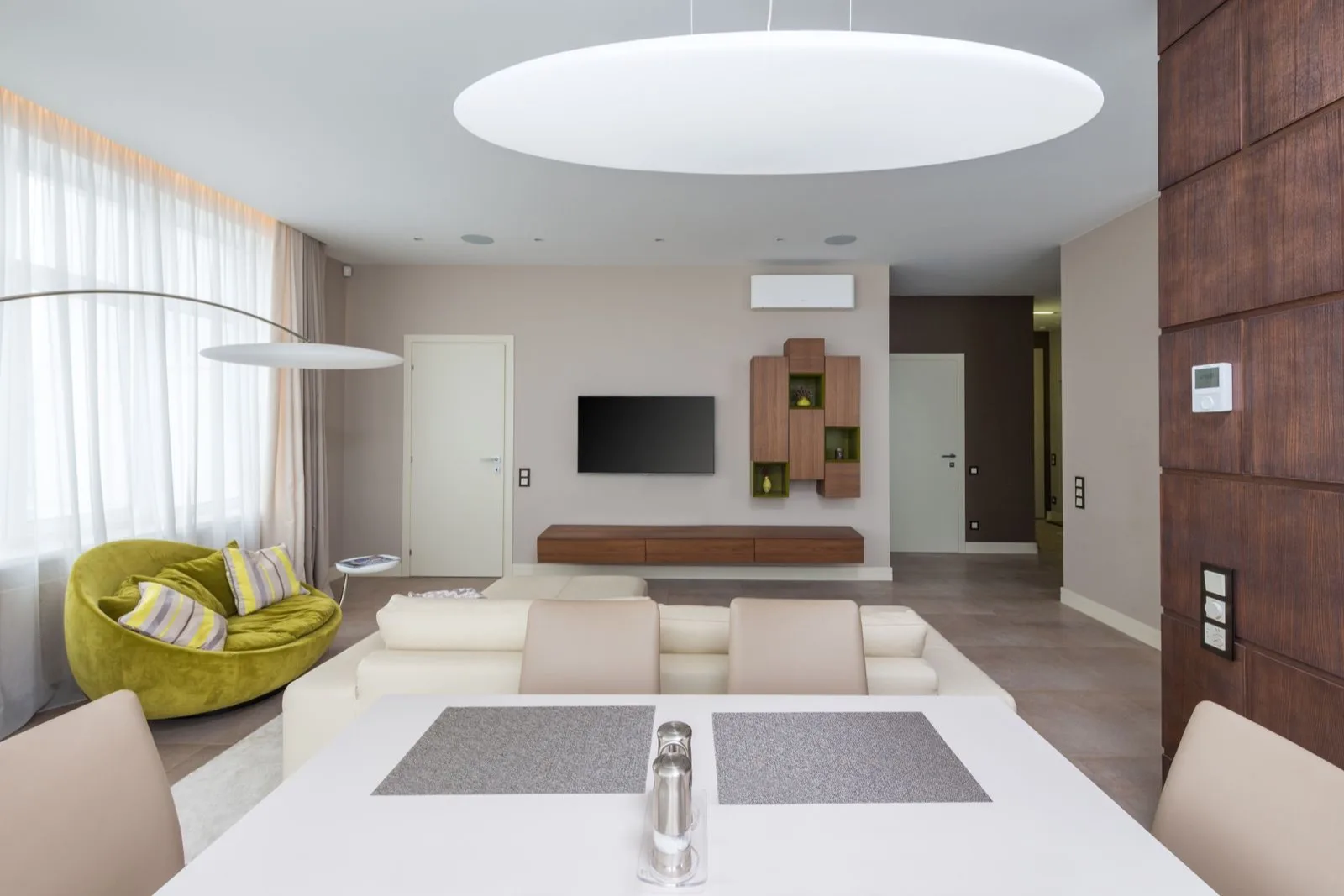
Consider a 2020-built micro-home with tight construction and modern insulation: one 12,000 BTU unit handles heating and cooling year-round without breaking a sweat. Or a 1960s-era 700 sq ft beach cottage with updated windows and a single great room - still manageable.
Even in these cases, placement matters. A poorly placed indoor unit may make the room around it comfortable while leaving other areas warm. Central wall placement, unobstructed by furniture, outperforms a unit tucked into a corner every time. (Where to put the head, and the clearances it needs, are covered in step 1 of how to install a mini split.)
When one mini split usually isn't enough:
- Typical 1,400–2,400 sq ft detached homes with 3–4 bedrooms and hallways
- Two-story homes where bedrooms are upstairs and living areas downstairs
- Split levels with partial floors, many interior doors, and separated zones
Many homeowners take a phased approach: install one unit in the main living area first, then add heads in bedrooms and other rooms over time as budget allows.
Mini Split vs Central Air: Whole-House Cooling Trade-Offs
Both mini split systems and central AC can cool an entire home, but they suit different priorities.
Central air conditioning uses one thermostat, one large air handler, and ductwork to every room. It's straightforward if good ducts already exist. But duct leaks and poor balancing can waste 20–30% of conditioned air and create hot and cold spots.
Ductless mini splits avoid that duct loss and generally deliver better energy efficiency than central AC. Mini splits can cool homes without ductwork, reducing energy loss. They also let you cool only the rooms you're using. Mini splits can use up to 30% less energy than central AC according to field studies, and because mini splits use inverter technology, they modulate output rather than cycling on and off.
Comfort differences:
- Central air excels at whole-house air distribution and can include robust filtration behind one return.
- Ductless mini splits excel at precise room-by-room control and prevent overcooling commercial spaces, guest rooms, or little-used areas.
Aesthetics and installation: Mini splits leave visible indoor units on walls or ceilings but avoid major construction. Central air hides its components but may require invasive ductwork in older homes without existing ductwork - a significant expense.
Designing a Ductless System That Truly Cools the Entire House
For most homes, whole house comfort requires a multi zone setup or several single-zone ductless mini splits, not just one air handler. A multi-zone mini split can effectively cool an entire house when designed correctly.
Proper design starts with a professional Manual J load calculation that accounts for room-by-room heat gains and losses - not just total square footage. Every HVAC company worth hiring will run this before recommending equipment.
A typical whole-house ductless layout looks like this:
- One larger indoor unit in the main living area (living/dining/kitchen)
- Smaller heads in each bedroom or bedroom clusters
- An additional unit for finished basements, bonus rooms, or home offices
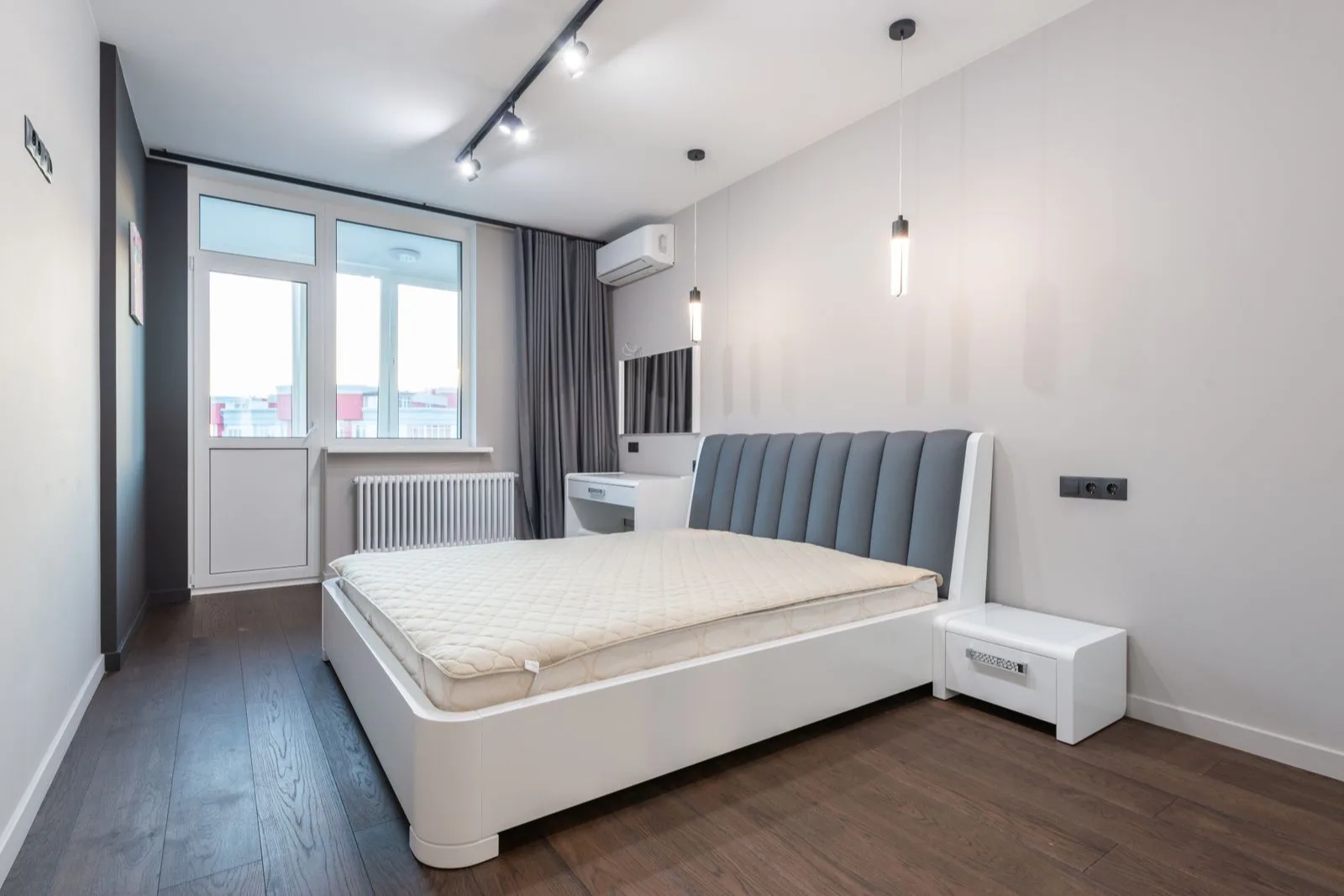
A single outdoor condenser typically supports 3–5 indoor units in an average-sized home. Very large homes may need two outdoor units. A multi-zone system can connect up to eight indoor units for maximum coverage.
The zoning benefits are real: separate controllers for each zone, the ability to set different temperatures in each room, and meaningful energy savings from not cooling the entire home to the same temperature at all hours. Many homeowners keep an existing traditional HVAC system for part of the house and add ductless systems in problem areas to reduce central air runtime.
Air Quality, Humidity, and Comfort with Ductless Mini Splits
Cooling capacity isn't the only concern. Indoor air quality and humidity control determine how comfortable the home actually feels.
Ductless mini splits dehumidify naturally in cooling mode - warm, moist air passes over the cold coil, moisture condenses and drains away. In hot, humid areas, a correctly sized system running longer cycles controls humidity better than an oversized unit that short-cycles. Oversized mini splits can cause short cycling and inefficiency, leaving air cool but clammy.
Built-in filtration - usually washable mesh filters - helps reduce dust and allergens in each zone. Because there are no long duct runs, ductless systems avoid the dust and mold accumulation often found in old ductwork, which benefits long-term air quality.
One limitation: mini splits don't bring in significant fresh outside air. For tight, modern construction, homeowners may need dedicated ventilation like ERVs or HRVs to maintain healthy air quality throughout the home.
Practical Buying Tips: Choosing the Right Strategy for Your Home
Start with a simple home assessment:
- Total square footage and number of floors
- How many rooms need consistent temperature control
- Ceiling heights (especially high ceilings or vaulted areas)
- Sun exposure and insulation quality
- Age of windows and walls
A single-zone system makes sense when you're supplementing an existing central AC, cooling an addition, or conditioning a small space like tiny homes or a converted garage. These units draw less electricity than window units and provide energy efficient, quiet operation at low speed.
Plan for a multi-zone system when replacing aging traditional HVAC, working in homes without ducts, or when individual room control matters. The higher upfront cost is offset by the several advantages of zoning and reduced energy use. Mini splits can reduce utility bills within two months of use.
Always get at least one professional quote that includes a load calculation and room-by-room BTU recommendations. Online calculators are a starting point, not an answer.
For long-term planning: ductless mini splits can last 15–20 years with proper maintenance. Regular maintenance includes cleaning filters every few weeks and scheduling annual professional tune-ups. Those energy savings compound - making mini splits good investments even when initial costs run higher.
FAQ: Mini Splits and Whole-House Cooling
Can one mini split cool multiple rooms?
In small, open layouts with few walls - yes. For multiple closed-off bedrooms or multi-story homes - no. A single-zone mini split cools about 500 square feet effectively.
How many rooms can one ductless mini split system serve?
A single-zone indoor unit serves one room or one open area. A multi-zone system with one outdoor unit can serve up to eight indoor units, each handling its own room or zone.
Are mini splits good for large homes?
Absolutely - when designed as a multi-zone or hybrid system. A single head won't deliver whole house comfort in a large home, but multiple indoor units connected to one or two outdoor units can handle even 3,000+ square foot homes.
Do mini splits use a lot of electricity?
Modern inverter-driven mini splits are among the most energy efficient cooling options available. They often use less electricity than older central AC and window units, especially when you're only cooling rooms in use rather than the entire home on hot days.
Can a mini split replace traditional HVAC completely?
In many homes, yes. A well-designed ductless system can handle all heating and cooling needs. In very cold climates, cold-climate heat pumps or backup heating may be recommended. Mini split heat pumps have advanced significantly - most handle temperatures well below freezing.